

W-BodyTech / Community Rides
The Last Indian
How Gary Garvin turned his daily-driven 2000 Pontiac Grand Prix into a hand-built W-body made for the corners.
Build details and photography by Gary Garvin
- Model year
- 2000
- Naturally aspirated V6
- 3.8L
- Reported front/rear weight split
- 54/46
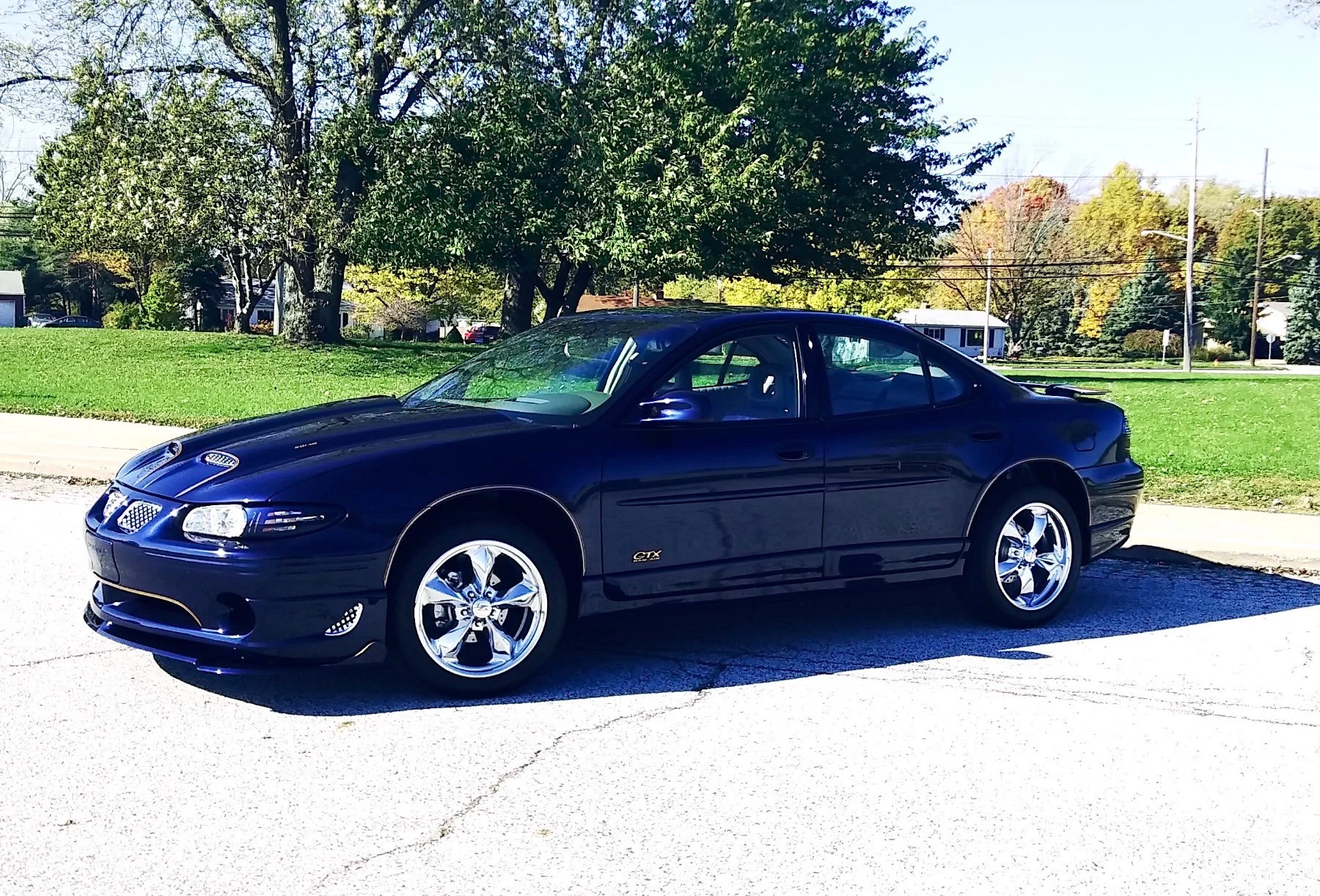
Gary Garvin bought his 2000 Pontiac Grand Prix to drive to work. Years later, its front splitter helps feed a custom intake, the spare wheel hides a relocated battery, and a handmade wood steering wheel still runs the factory radio. He calls it The Last Indian. The build started with a question from his Camaro days: how much better could the Pontiac feel in a corner?
From two Z/28s to a front-drive Pontiac
Before the Grand Prix, Gary spent decades building and racing cars. His favorite was his 1969 Camaro Z/28, which he modified with a handmade full frame and factory-style suspension. He recalls that Swedish magazine Start & Speed approached him about a cover feature in 1984. He sold that Camaro and his 1974 Z/28 in 2004, after owning them for 35 and 30 years, respectively.
Gary first became aware of GM’s MS2000 program in the early 1990s while working on joint development projects. His daughter’s 1997 Grand Prix gave him a closer look at the finished car. He bought a 2000 model new to replace his 1993 daily driver. When a 2002 Grand Prix took over commuting duties, the low-mileage 2000 became his summer car. A year later, in the winter of 2005–06, he started measuring the car and laying out changes to the suspension, drivetrain and body.
Designing around the corner
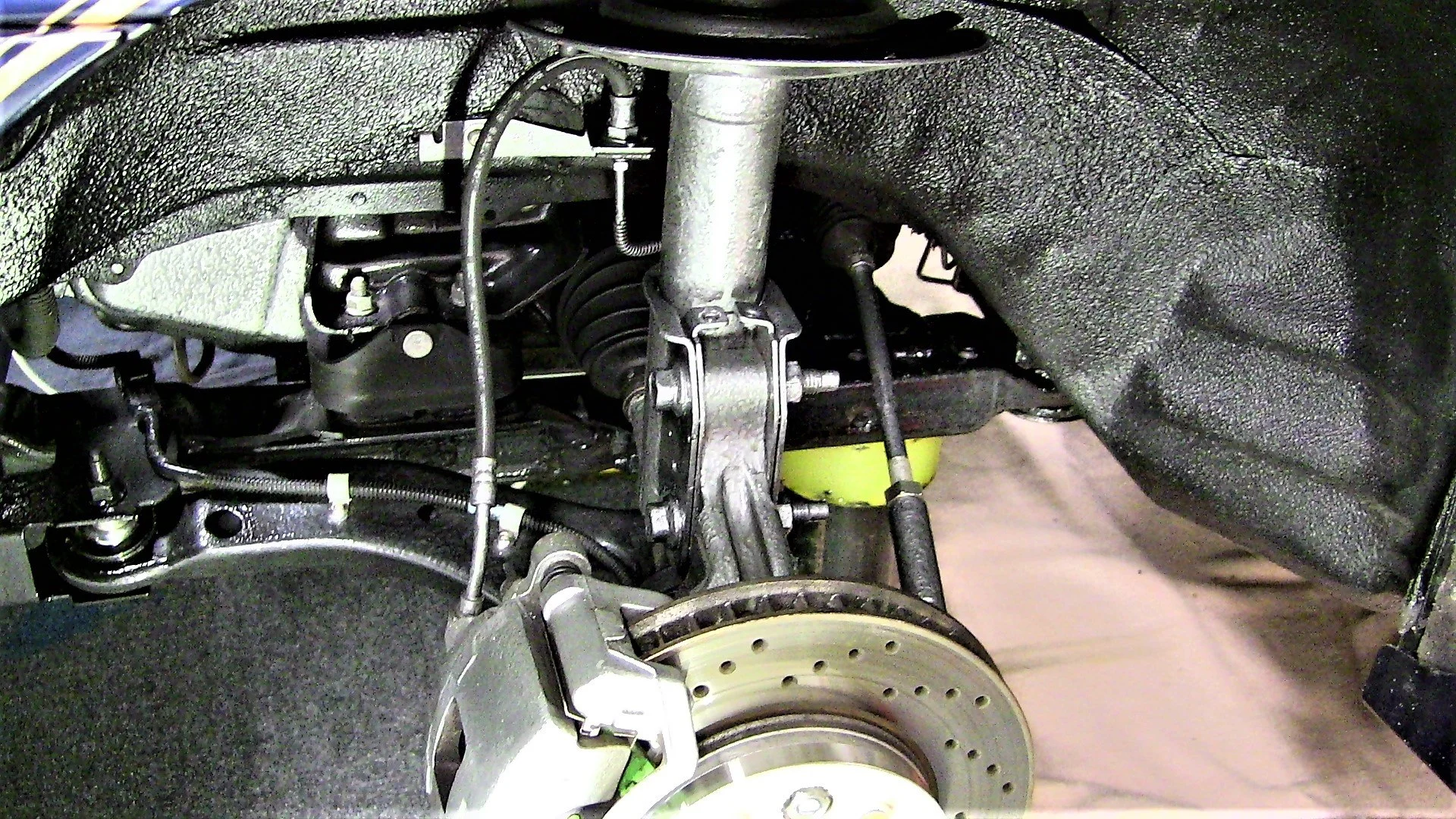
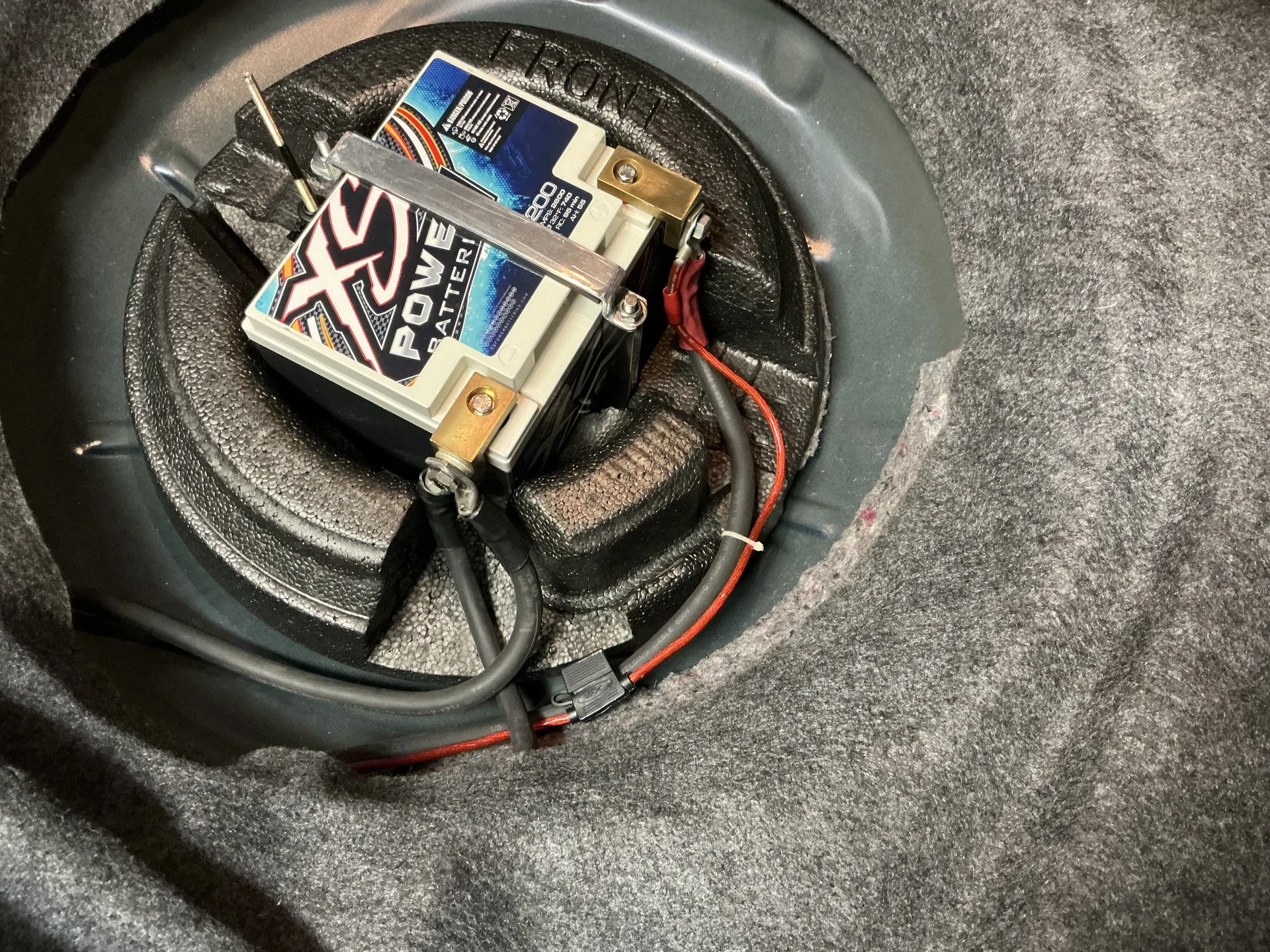
The Camaro set Gary’s benchmark for steering response. To get closer to that feel in the Pontiac, he worked on track width, suspension geometry and weight distribution together. In his suspension update, Gary reports moving the front-to-rear weight split from 65/35 to 54/46. He describes lowering the center of gravity while raising the roll center and widening the track at both ends. The 110.5-inch wheelbase stayed the same. Moving the battery to the rear was one part of that work.
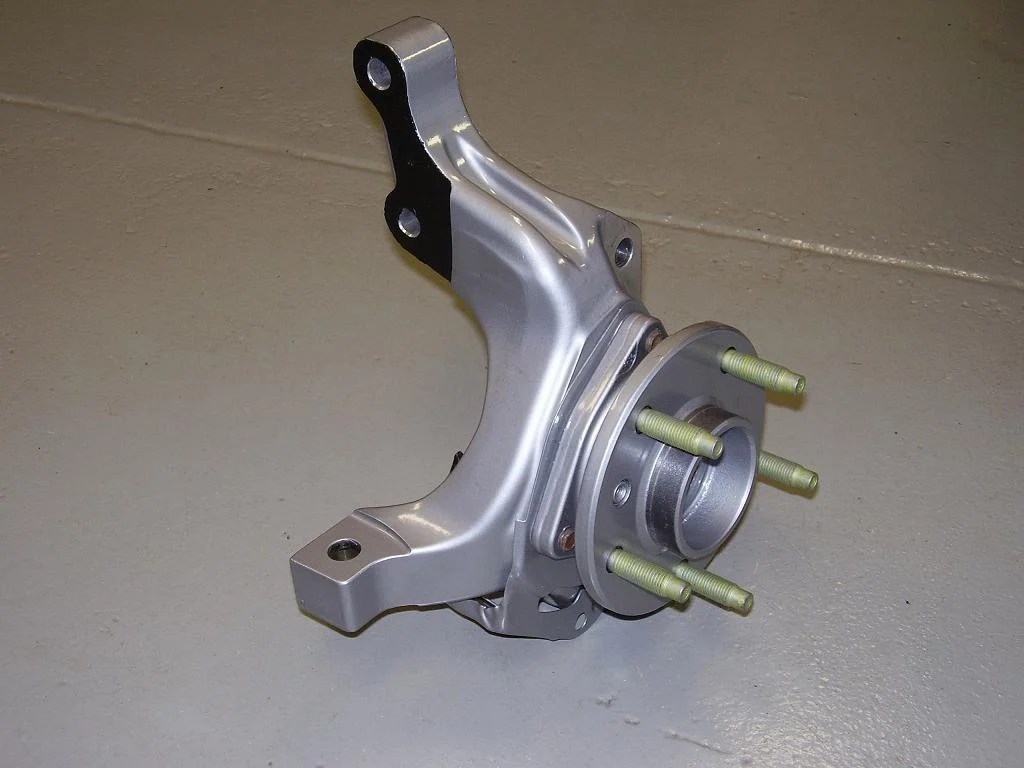
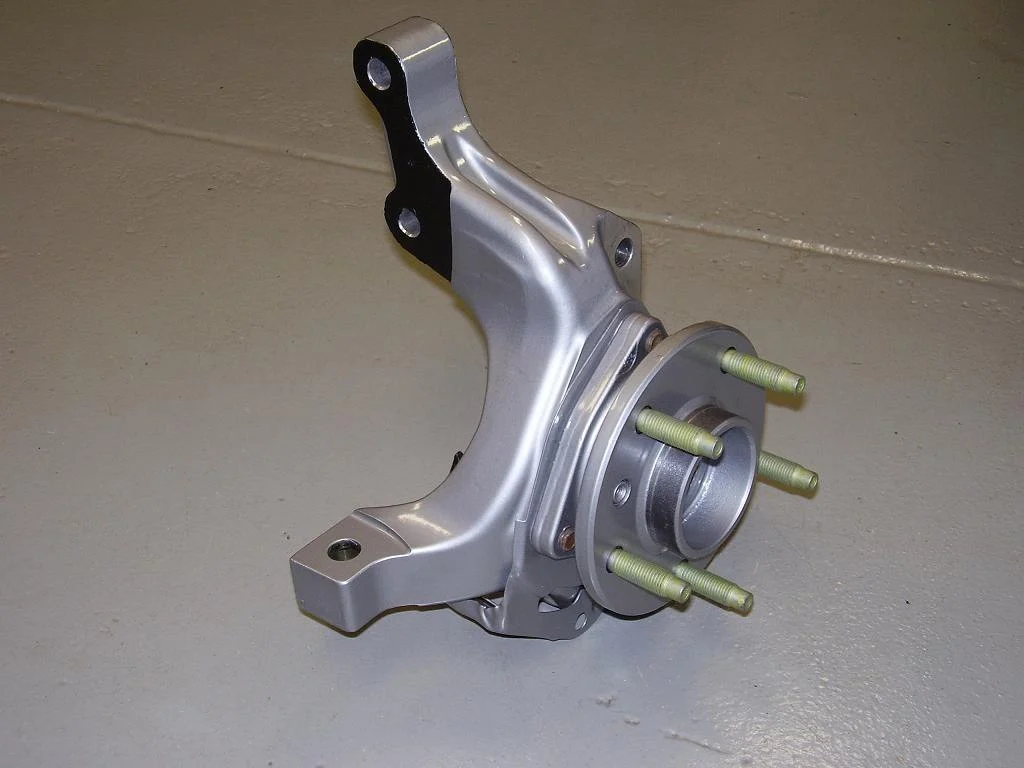
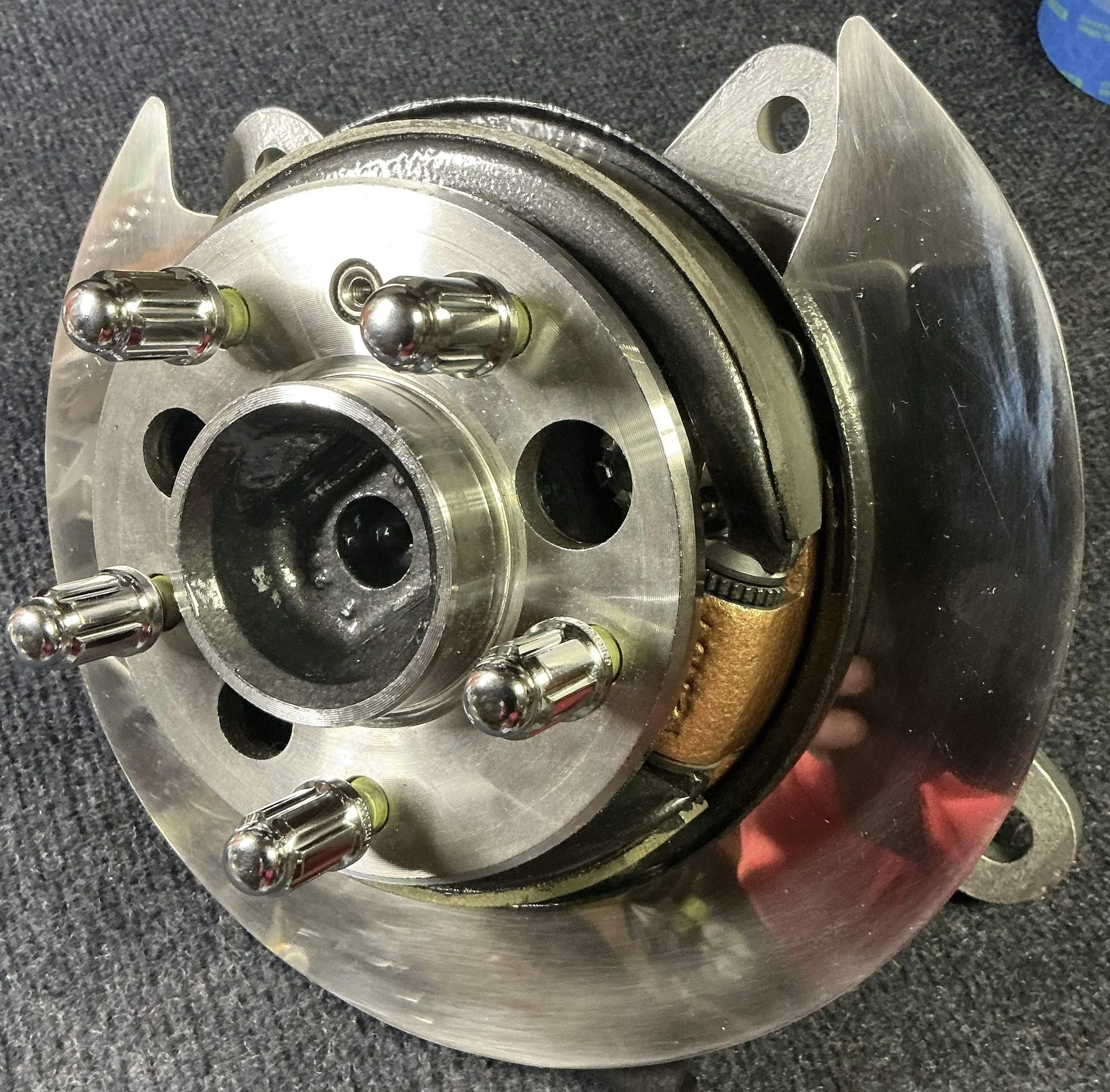
The underside photos show how far the fabrication went, from the front knuckle assembly to the rear hub and sway-bar hardware. Gary also documented his brake changes, including changes to the rotors, pads and fluid. He installed new factory brake lines and reused, modified or fabricated much of the other hardware.
Why he kept the naturally aspirated 3800
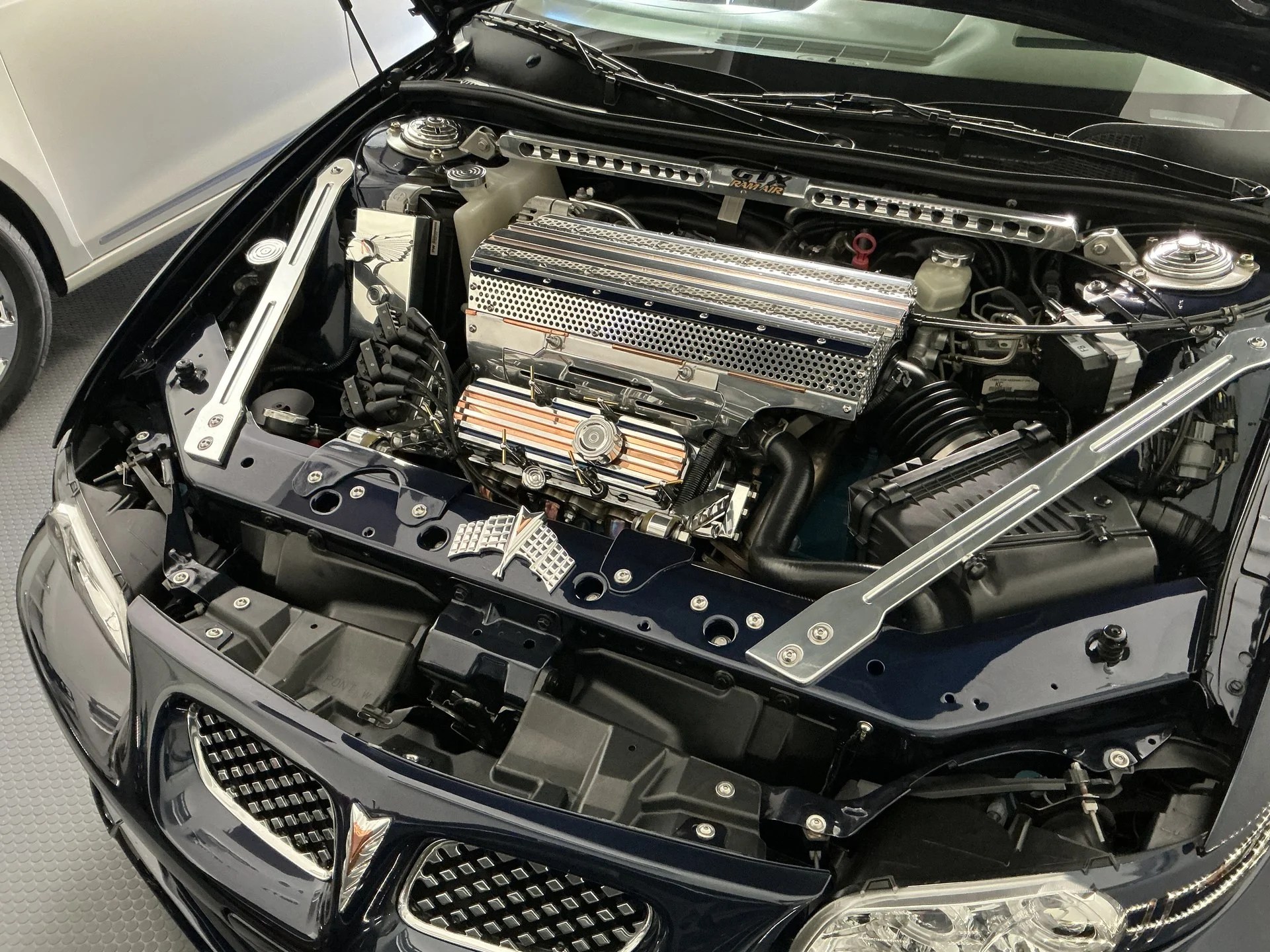
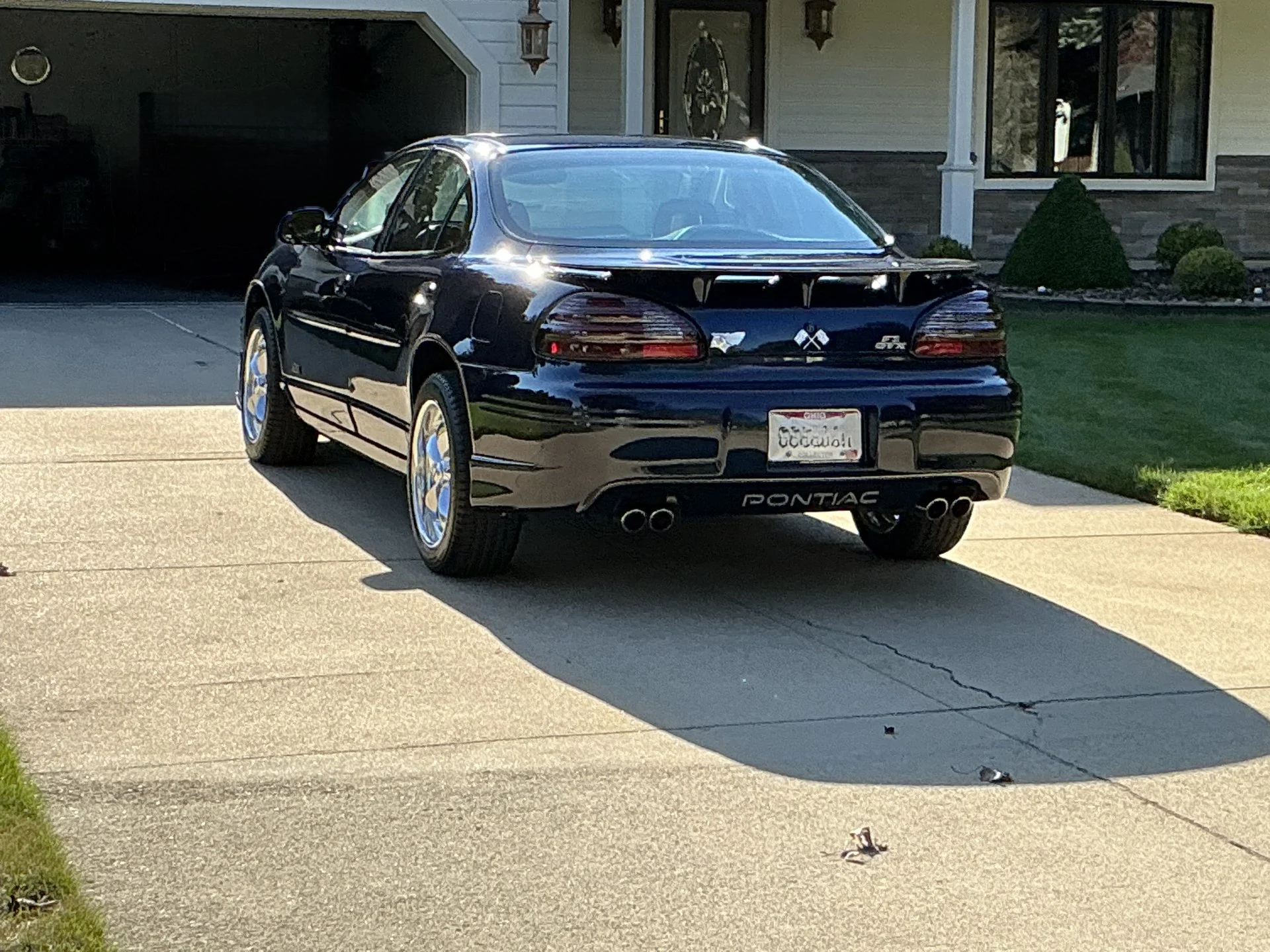
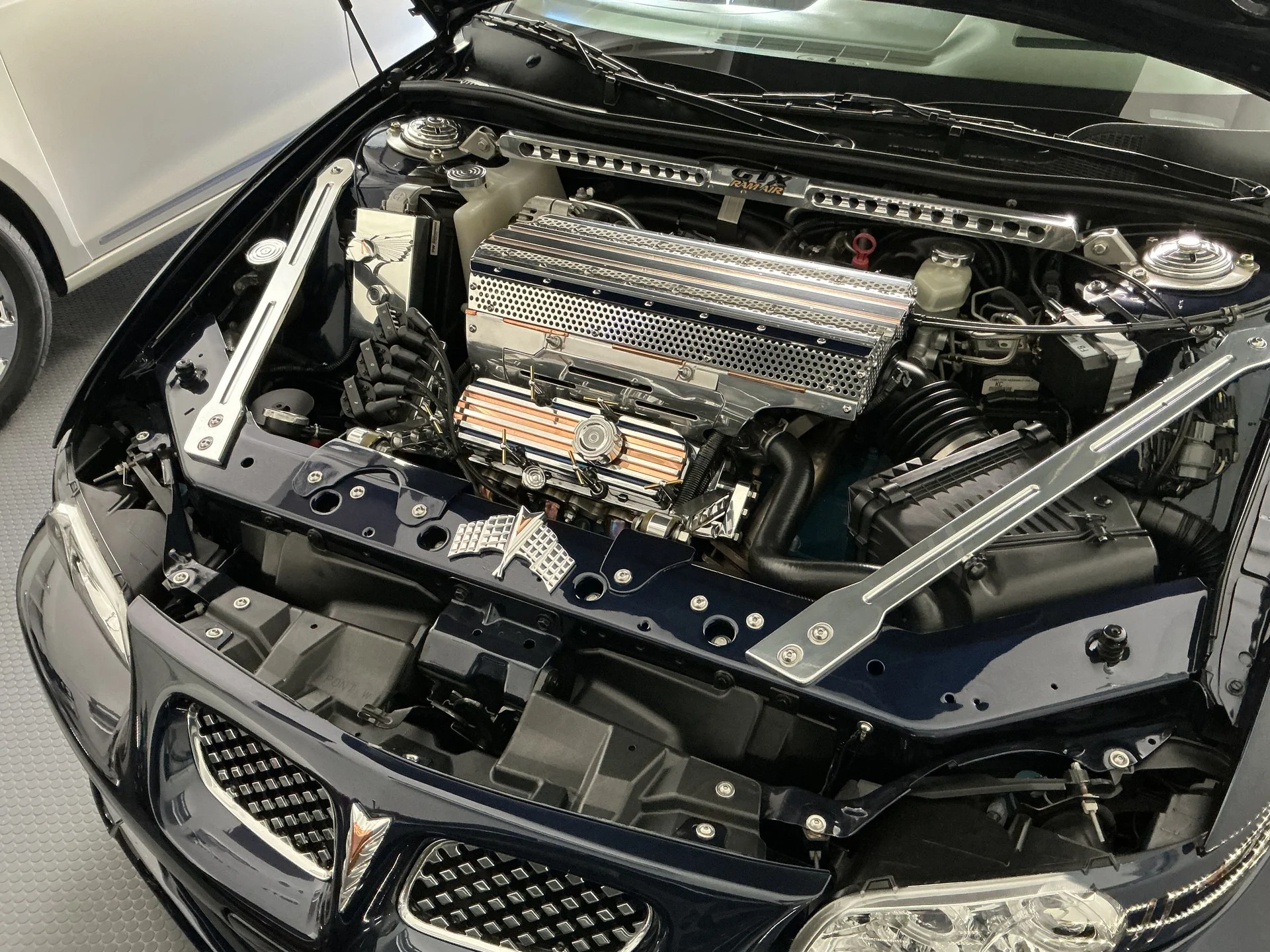
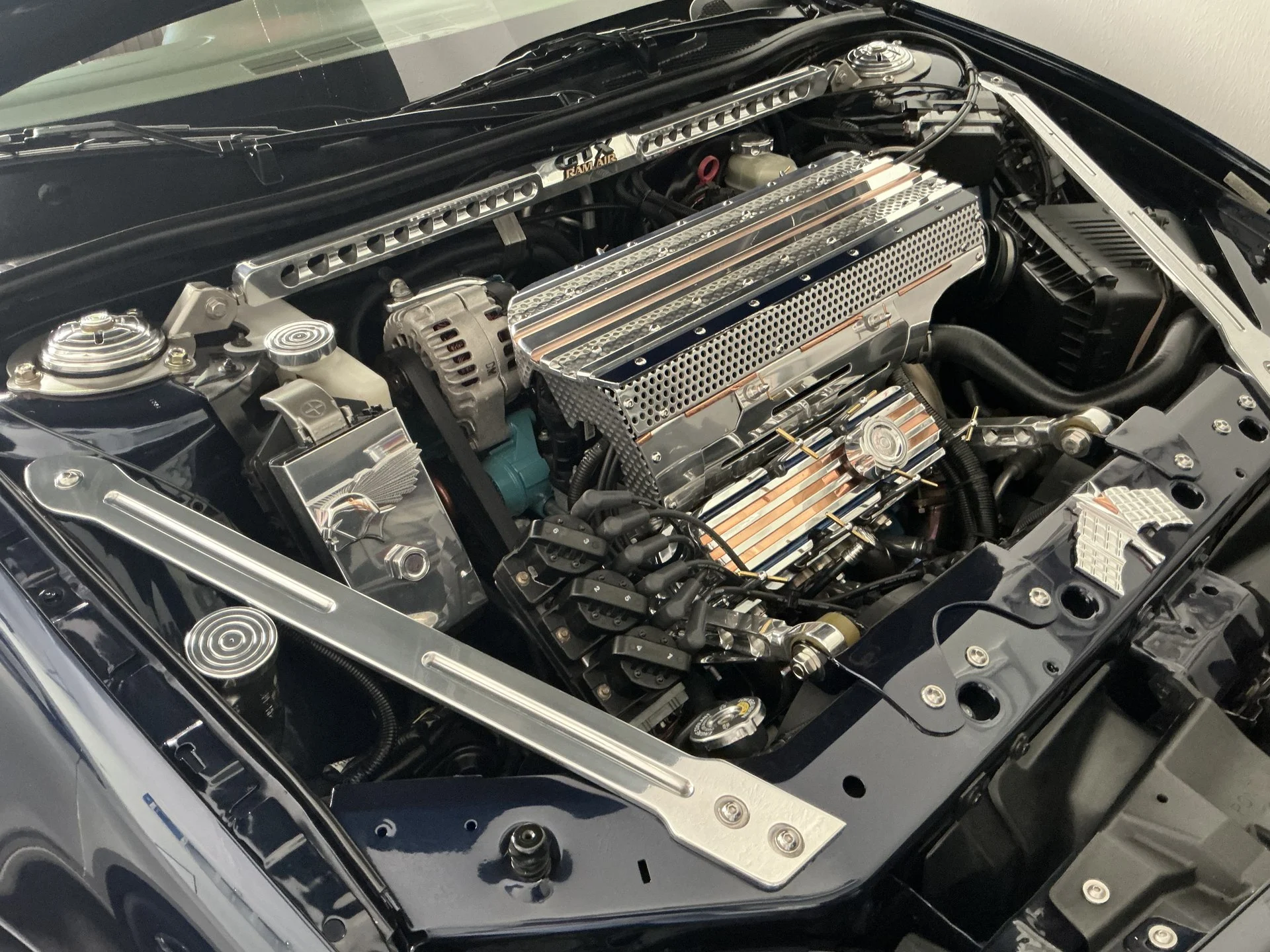
Gary wanted the naturally aspirated car’s final-drive ratio and chose to develop the 3800 around it. In his engine write-up, he describes cylinder-head work, 1.9-ratio Yella Terra roller rockers, a throttle body machined to 72 mm and a custom PCM calibration. The exhaust pairs a ZZP Power Log and stainless crossover with a high-flow catalytic converter and the factory one-piece cat-back.
He wanted the 4T65E to shift with the firmness he remembered from a built Turbo 350. He also wanted some of the low rumble of his old Camaro, and the polished pieces under the hood carry the muscle-car influence into the engine bay.
A factory-looking body, made by hand
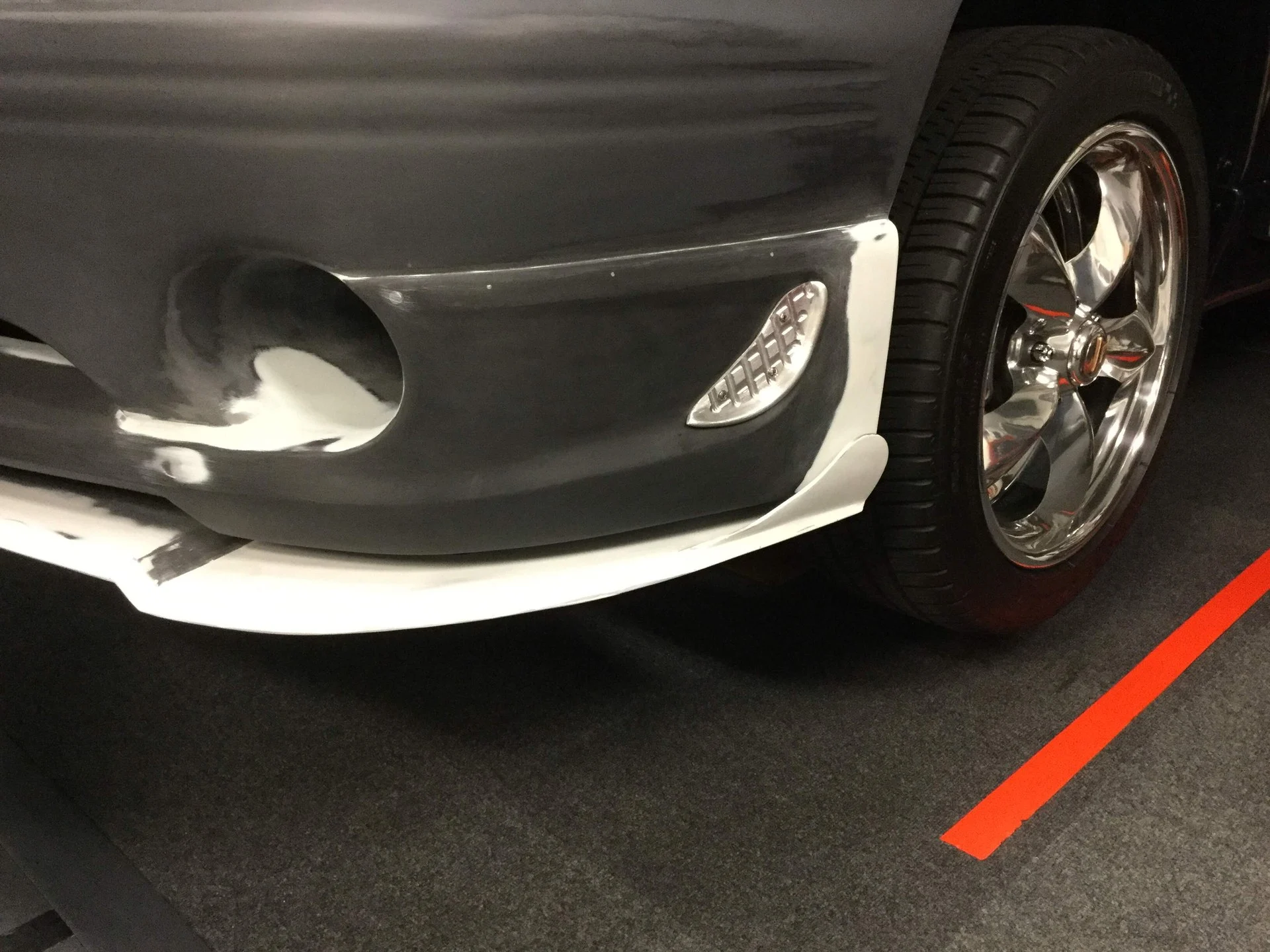
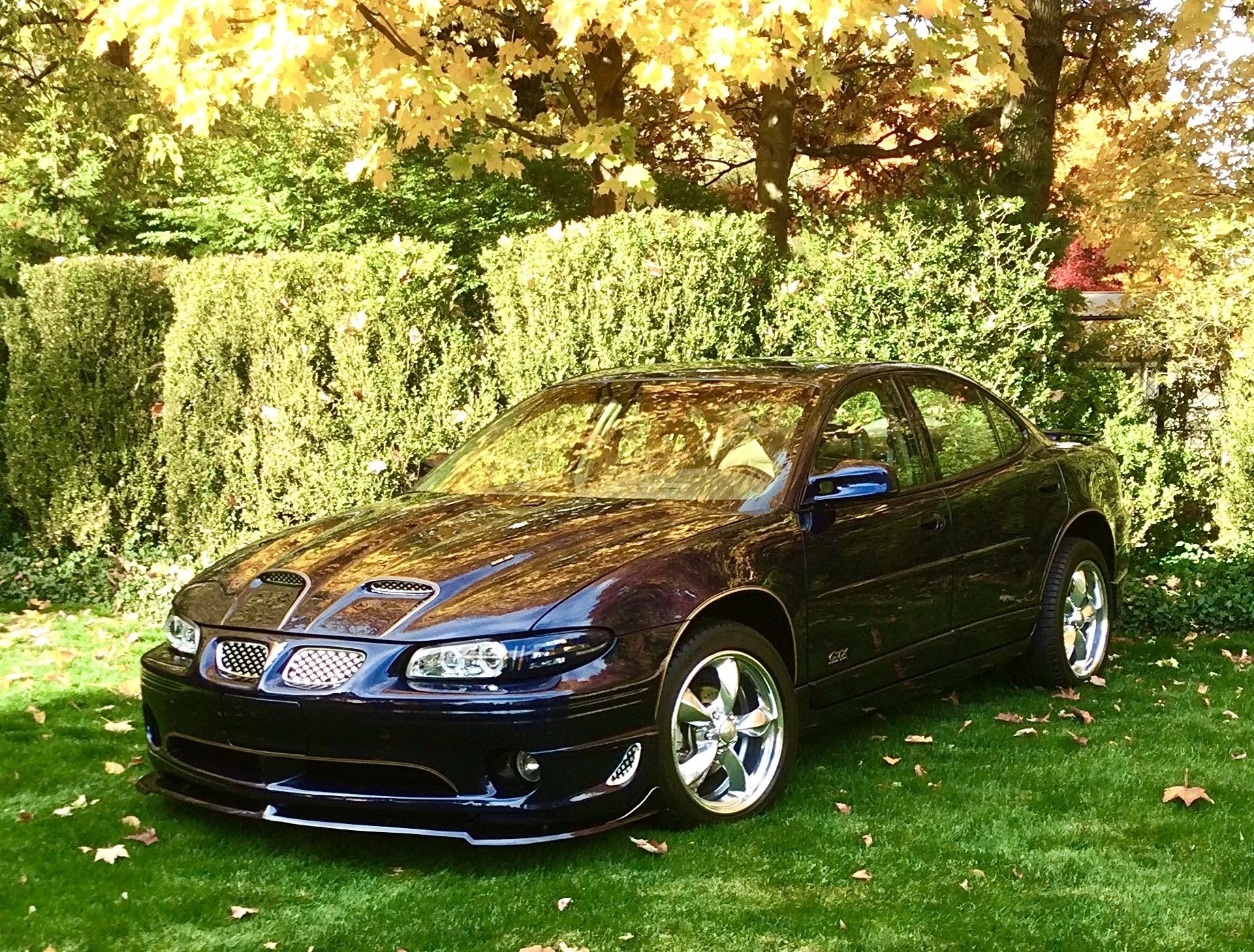
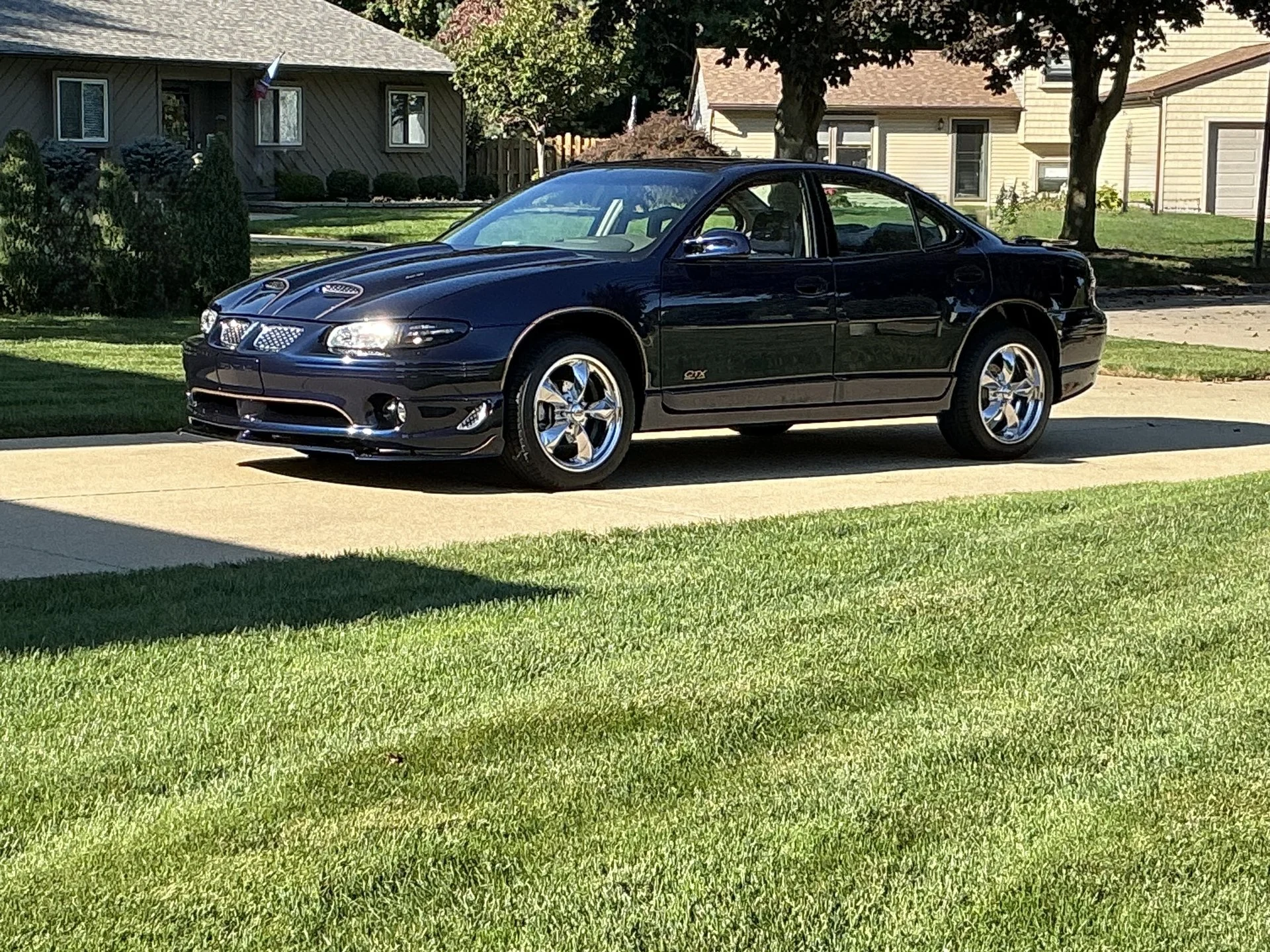
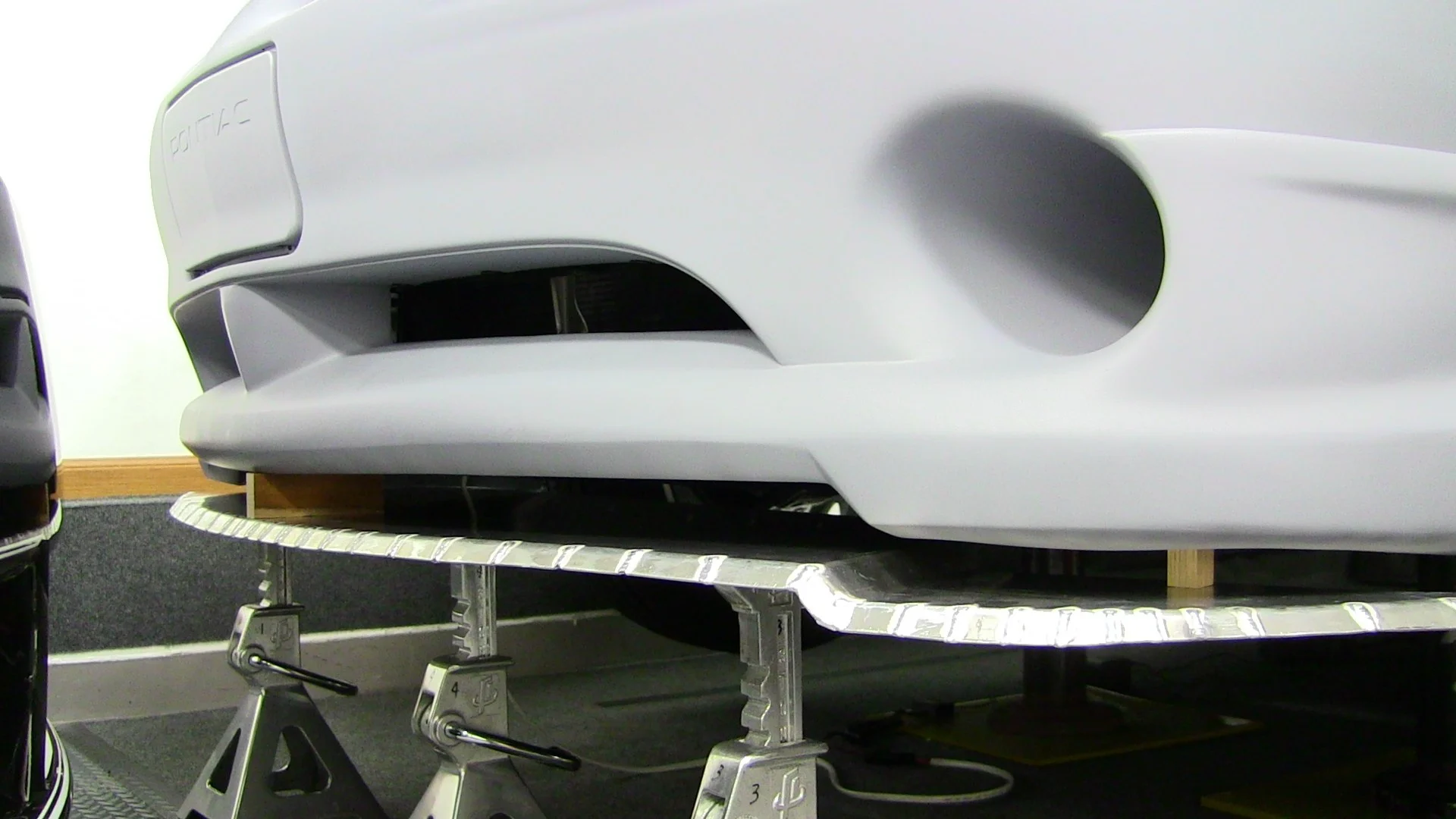
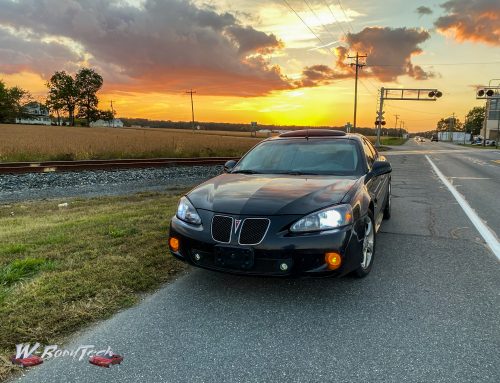
The F.1 GTX name is Gary’s own designation. He explains its origins in his F.1 and GTX post. The MPD F.1 hood is the main piece he borrowed. He integrated the SD air dam into an OEM bumper cover with fabricated brackets and added structure to support the splitter.
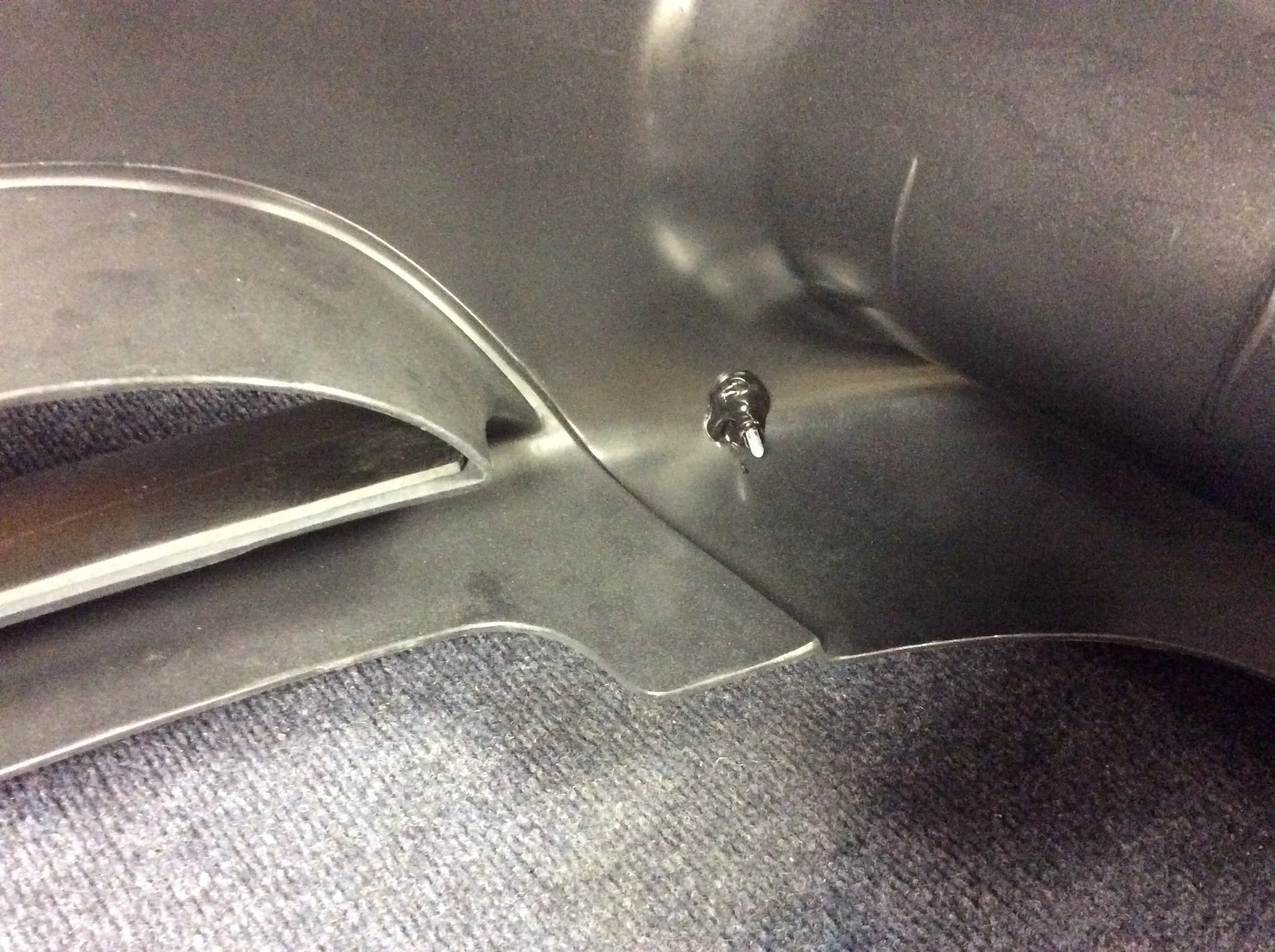
The air dam also provides a second inlet for his intake. Gary documents the duct layout and the modified air box, which he opened up behind the headlamp while adding a plate to shield the engine computer. A hose connects the second inlet to the air box. His splitter fabrication post shows how the design evolved over about eight months, starting with a prototype on the stock bumper and moving to a second version fitted to the air dam. At the other end, he widened the rear fascia and reworked the inner liners so the body would still frame the wider tires.
The details you notice up close
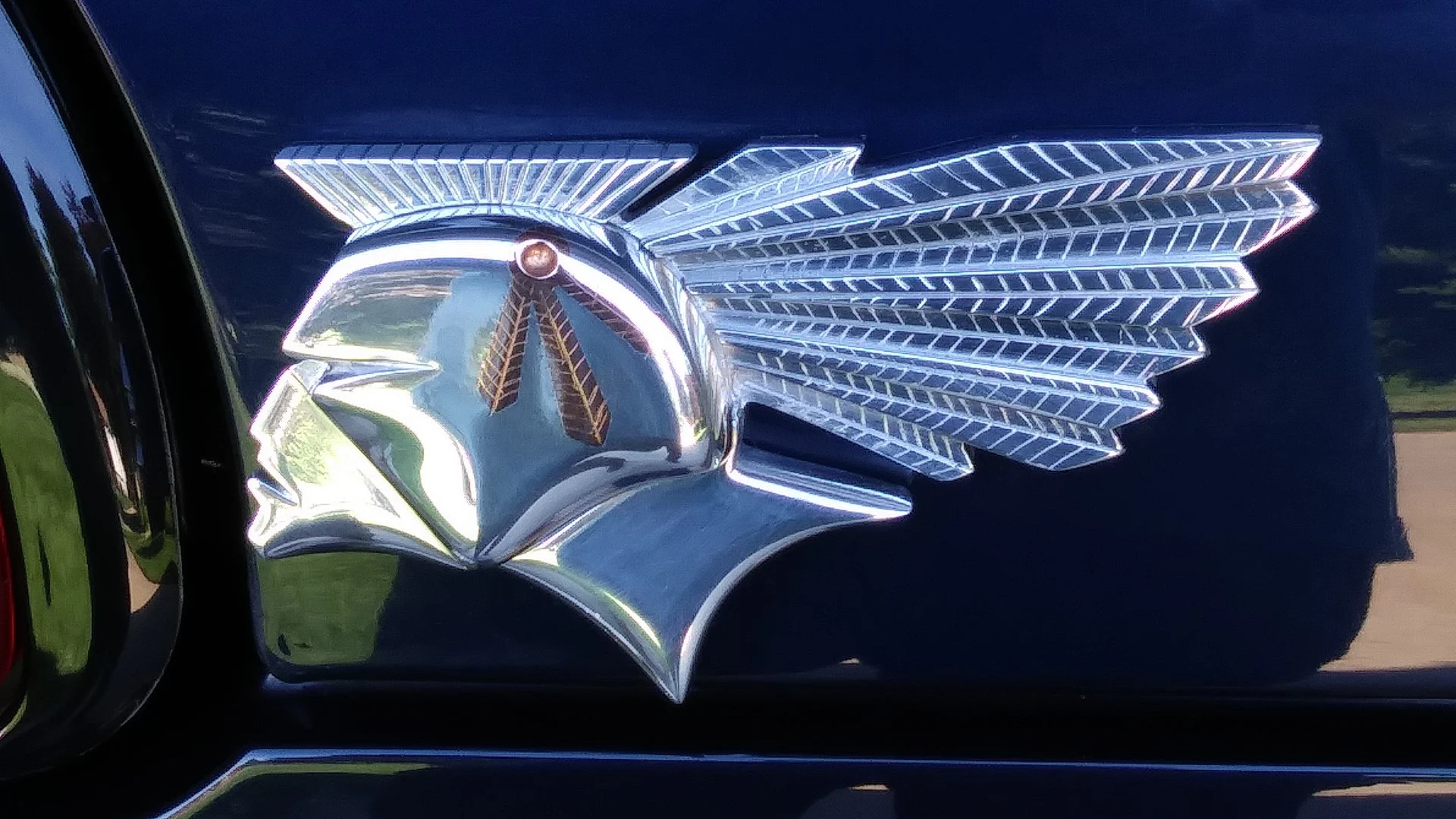
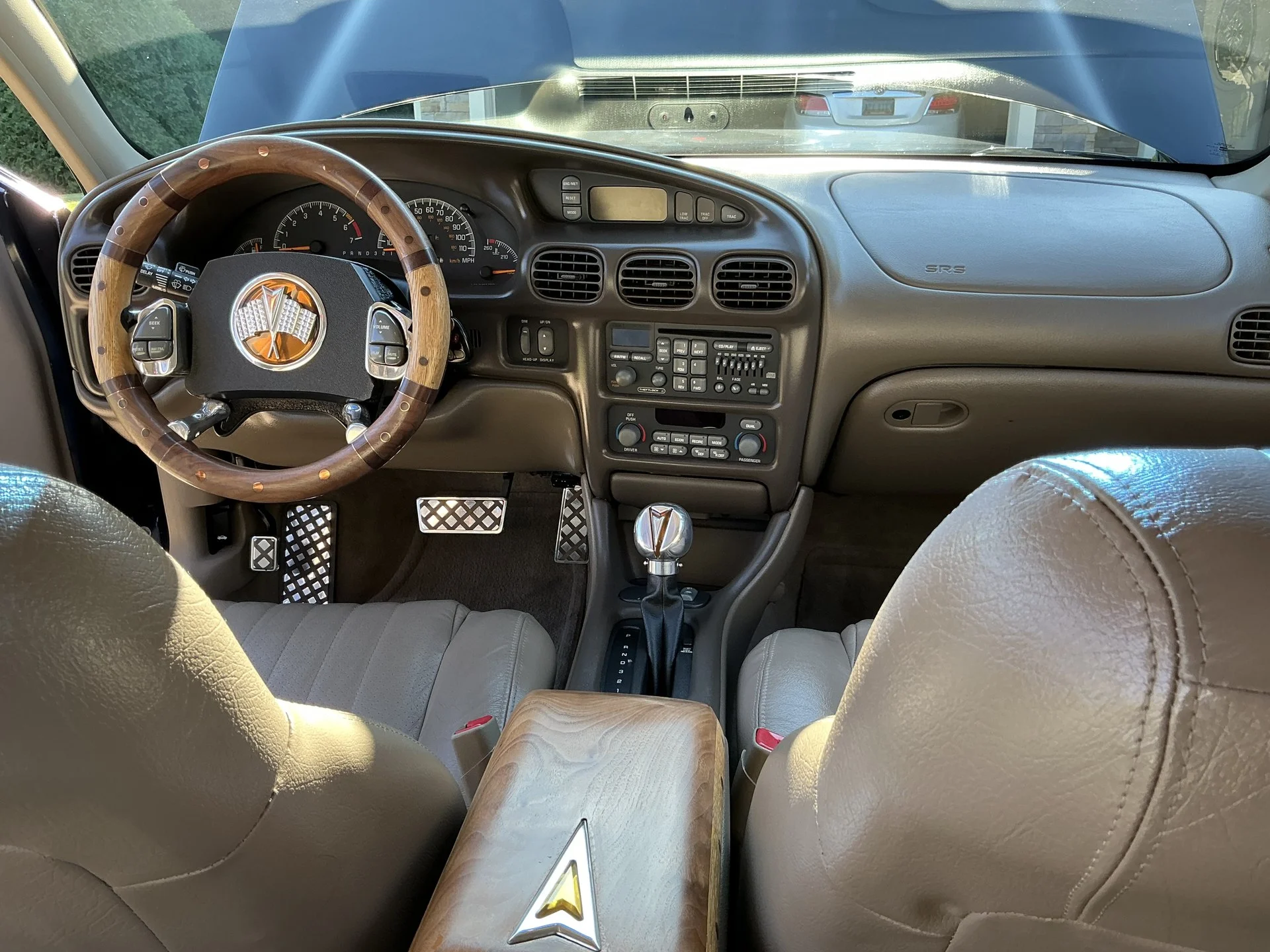
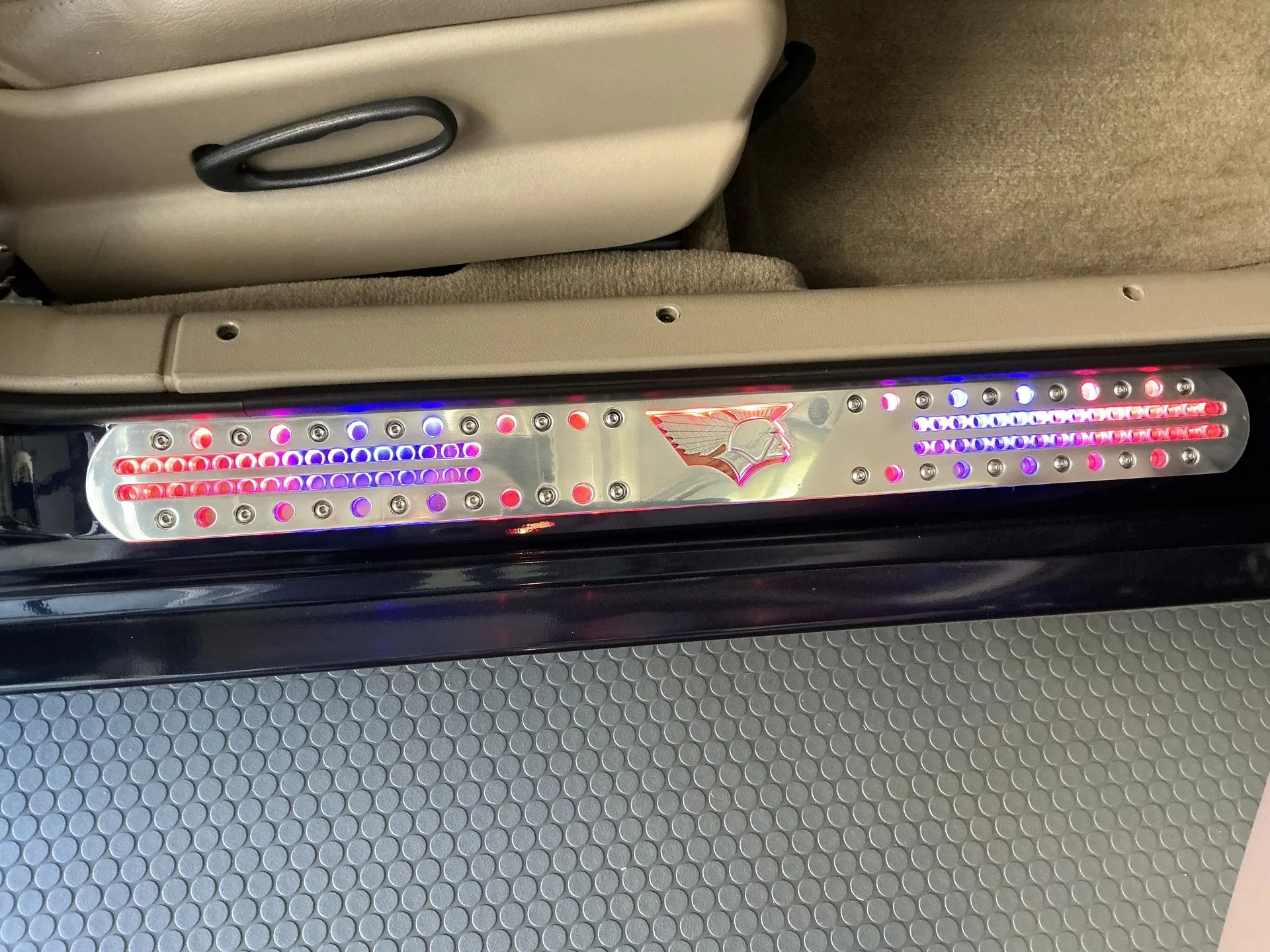
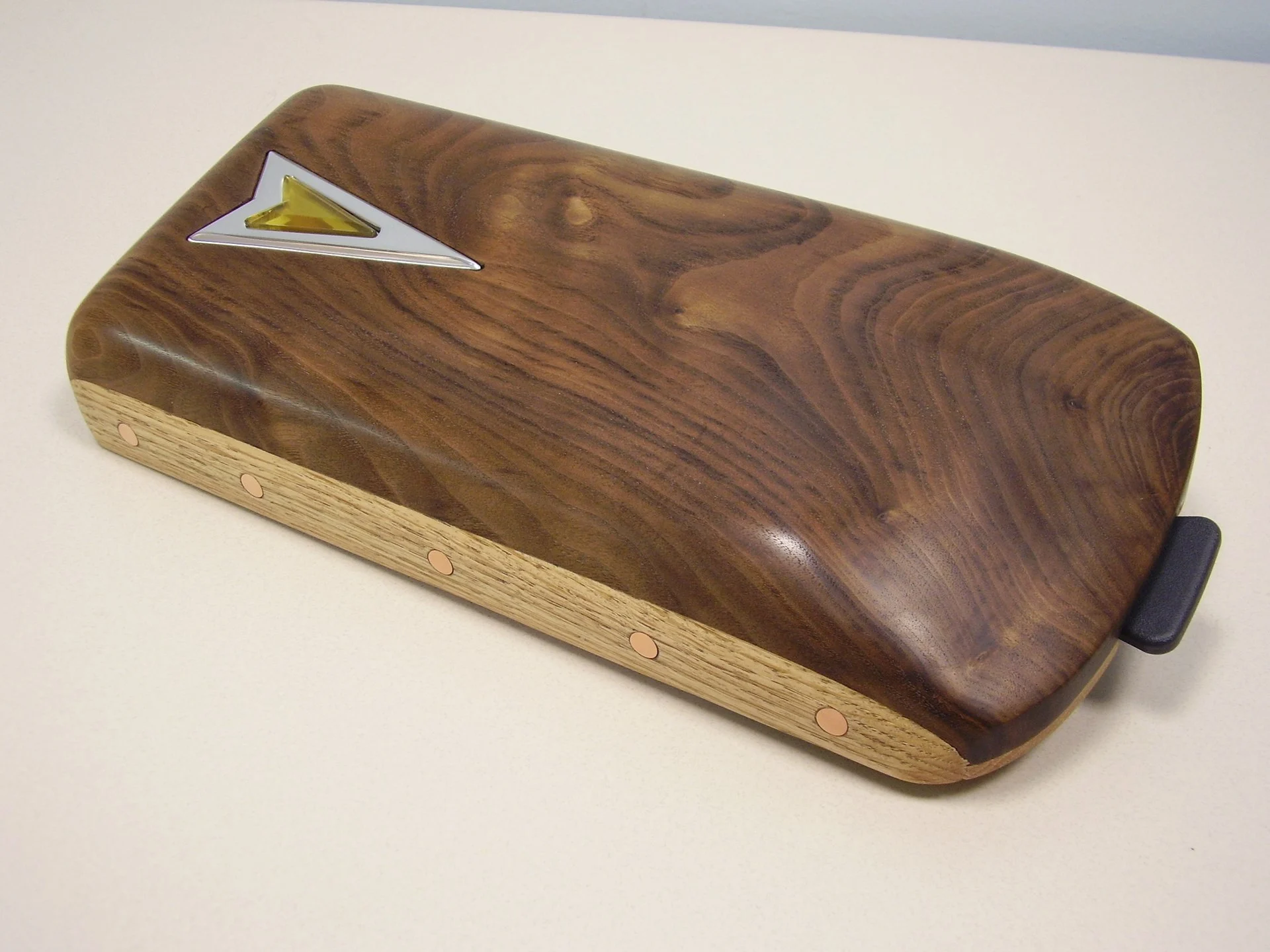
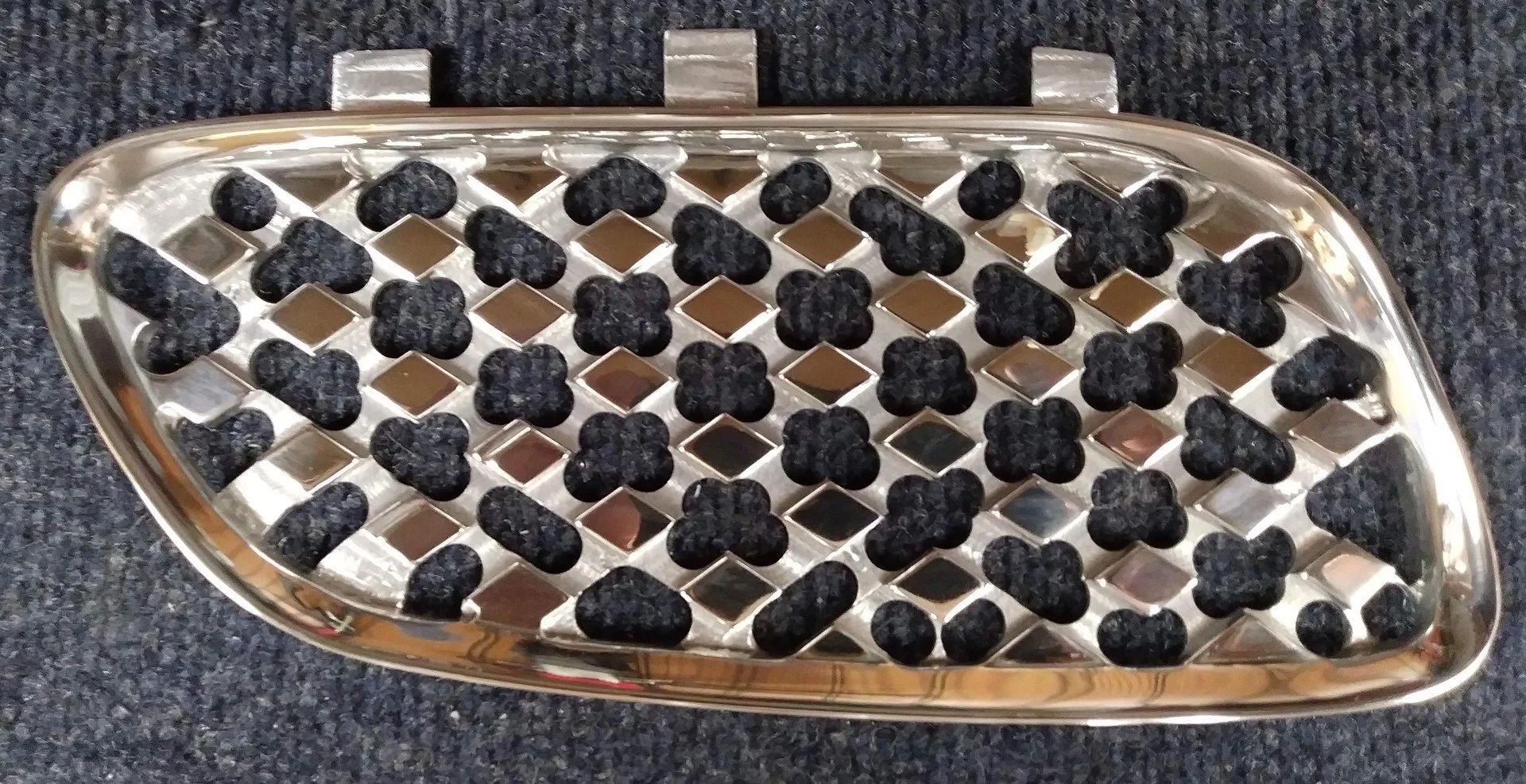
Handmade badging, billet aluminum grilles and a custom wood steering wheel give the car details that reward a closer look. Gary kept the steering-wheel radio controls functional and made a matching console lid, a custom shift knob and pedals. The cabin still looks like the Grand Prix that drew him in, down to the wraparound dash that reminded him of a midyear Corvette.
For the fabrication photos, measurements and updates in Gary’s own words, follow The Last Indian build thread on the W-BodyTech forums.
Inside The Last Indian
A short look at the Grand Prix’s cabin and custom wood steering wheel, filmed by Gary.
Build gallery
From the early car to the finished exterior, with engine, suspension and fabrication details along the way. Photos by Gary Garvin.
About the author
Robert Rippel
W-BodyTech Founder and Operations Manager
Robert Rippel started his first W-body group on Yahoo Groups in 2001 and has been creating videos for W-BodyTech on YouTube since 2011. He covers the history of GM’s W-body platform and tells the stories of the people who build, restore, and drive these cars. Through W-BodyTech, he helps enthusiasts share what they learn in the garage.
Discover more from W-BodyTech
Subscribe to get the latest posts sent to your email.


Leave A Comment