
ENGINE SYSTEMS
Start With the System You Are Working On
The old page was a six-thumbnail grid with only one working section link. These categories now explain what belongs in each area and point owners toward the best W-BodyTech resource available today.

AIRFLOW
Air Intake
Air filters, factory airboxes, MAF/MAP sensors, throttle bodies, intake ducting, vacuum leaks and performance intake changes.
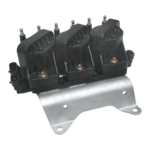
IGNITION
Ignition & Tune-Up
Spark plugs, plug gaps, wires, coil packs, ignition modules, firing orders and practical tune-up procedures across W-Body engine families.
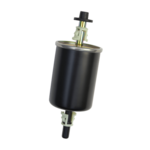
FUEL DELIVERY
Fuel System
Fuel filters, pumps, pressure testing, injectors, regulators, fuel trims and diagnosing lean or rich conditions.

EXHAUST FLOW
Exhaust
Manifolds, downpipes, catalytic converters, resonators, mufflers, oxygen-sensor placement, leaks and performance exhaust planning.
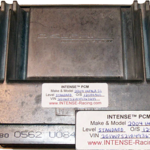
ENGINE MANAGEMENT
PCM & Tuning
Fueling, ignition timing, knock response, airflow calibration, transmission controls and the calibration changes required by larger performance modifications.

BASELINE MAINTENANCE
Fluids & Service
Engine oil, coolant, maintenance intervals and platform-wide service references now live in the dedicated General Information & Maintenance section.
ENGINE FAMILIES
Choose the Engine Before Choosing the Parts
W-Body production spans multiple engine architectures. Tune-up parts, plug gaps, airflow strategy, fuel requirements and tuning support can differ significantly between them.
Early and mid-generation W-Bodies used multiple versions of GM’s 60-degree V6 family. Use the exact engine code and model year when choosing ignition parts, sensors and internal components.
The 3800 is one of the most common W-Body performance platforms. Naturally aspirated and supercharged variants require different supporting modifications, tuning decisions and fuel-system considerations.
Later W-Bodies use electronically controlled throttle, modern engine management and different airflow and fuel strategies than earlier engines. The 2012–2016 Impala LFX has its own performance path.
The LS4 uses a W-Body-specific transverse layout and its own intake, exhaust, AFM and tuning considerations. Treat it separately from conventional longitudinal LS-platform combinations.
DIAGNOSTIC BASELINE
Do This Before Chasing Horsepower
The fastest way to waste money on performance parts is to modify an engine that already has a drivability problem. A clean baseline makes every later change easier to evaluate.
STEP 1
Scan the PCM
- Check stored and pending diagnostic trouble codes.
- Review short- and long-term fuel trims.
- Watch coolant and intake-air temperature data.
- On supported platforms, monitor knock retard and commanded/actual fueling.
STEP 2
Verify Mechanical Health
- Confirm compression when symptoms suggest an internal problem.
- Inspect vacuum and intake leaks.
- Check exhaust restriction or upstream exhaust leaks when appropriate.
- Repair cooling-system or oiling problems before performance work.
STEP 3
Ignition & Fuel Delivery
- Use the correct spark plug type and gap for the application.
- Inspect wires, boots, coils and ignition-module connections.
- Verify fuel pressure under the conditions that cause the problem.
- Do not tune around failing hardware.
Tuning note: a calibration should match the actual hardware combination. Larger injectors, altered airflow meters, forced induction, camshafts, pulley changes and major exhaust/intake changes may require calibration work. Avoid copying another car’s tune simply because the engine family is similar.
FEATURED PERFORMANCE RESOURCES
From Maintenance to Major Upgrades
Use the existing W-BodyTech guides and community research to move from a stock baseline into a more serious performance build.
BASELINE UPGRADE
Stage 1 Upgrade
W-BodyTech’s existing 3800-focused baseline upgrade page covering plugs, wires, intake filtration, belts, oil and related service items.
FORCED INDUCTION
3800 Supercharged Top Swap
Parts, preparation, installation and tuning considerations for converting an L36/L26 naturally aspirated 3800 using factory supercharged components.
LATE W-BODY
2012–2016 LFX Performance
Community performance reference for the 3.6L LFX Impala including intake, throttle-body, downpipe, camshaft and tuning paths.
W-BODYTECH COMMUNITY
Building Something That Is Not Documented Yet?
The forums now separate Forced Induction, Intake & Exhaust, Engine Internals & Heads, PCM & Tuning and Fuel Delivery discussions. Use the community when a combination is too specific for a general guide.