
From GM10 to Z34
The complete history of the Chevrolet Lumina, from GM’s costly W-body gamble and Disney-backed launch to NASCAR, the 3.4 DOHC Z34, the second-generation sedan and the final fleet cars.
Before it was a family sedan, a Z34 performance coupe, a “dustbuster” minivan or the shape carrying Chevrolet through NASCAR, the Lumina was the final piece of General Motors’ enormous GM10 experiment. Chevrolet arrived late to the W-body party, then spent the next decade turning one new name into several distinctly different American cars.
The Lumina was supposed to move Chevrolet beyond the Celebrity and the rear-wheel-drive Monte Carlo. Instead, it became something broader: practical transportation for millions, an unlikely performance car, a fleet workhorse and one of the most visible Chevrolet nameplates of the early 1990s.
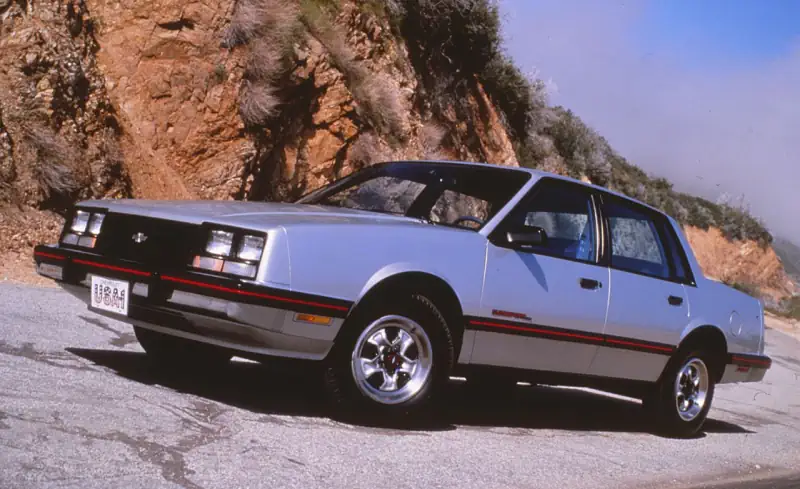
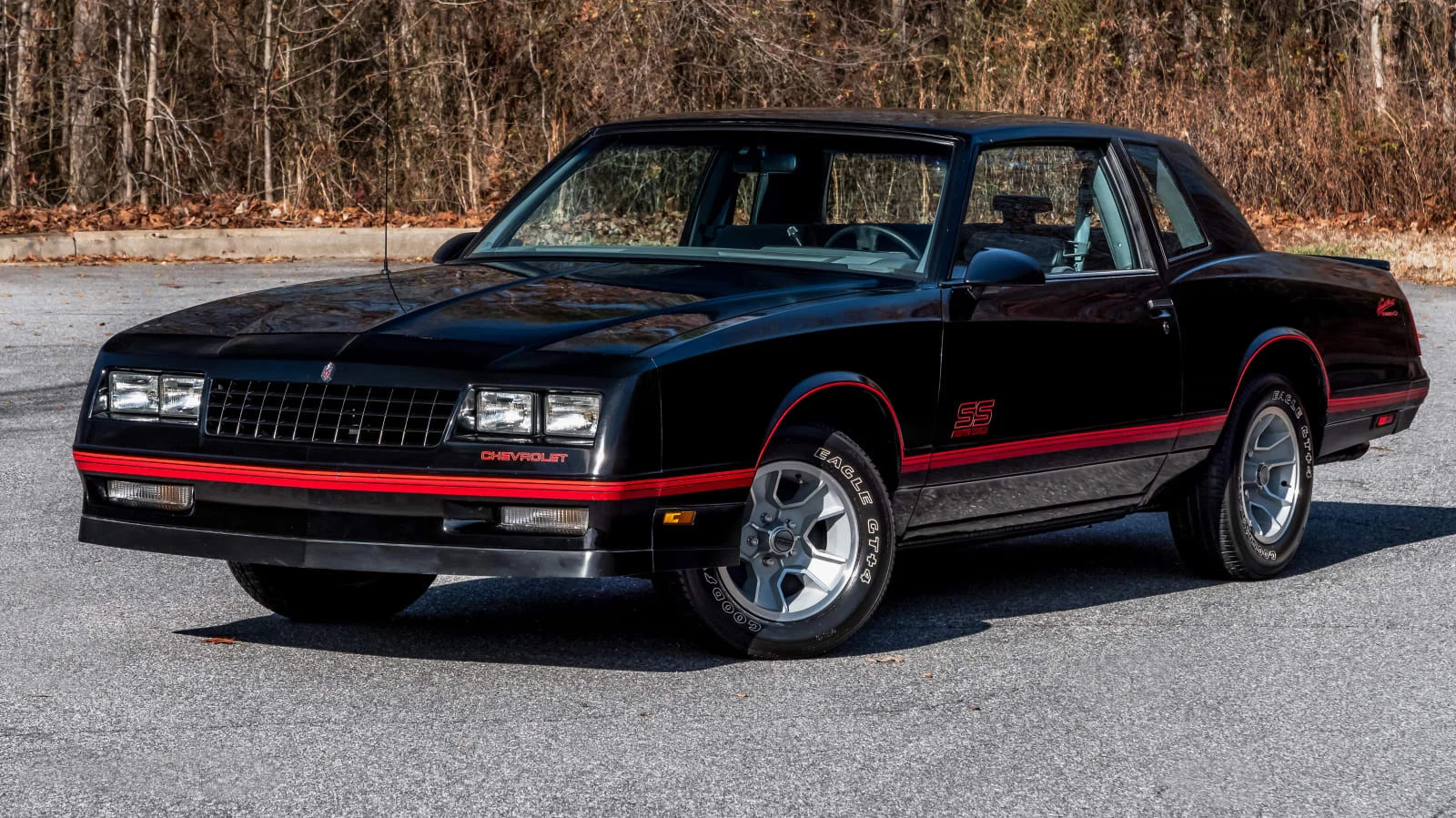
Before Lumina: the GM10 gamble
General Motors began work on its next front-wheel-drive midsize architecture around 1982. Known internally as GM10 and later renamed the W-body, the program was meant to supply a new generation of cars for Buick, Oldsmobile, Pontiac and Chevrolet.
Contemporary reporting placed the broader program’s cost near $7 billion. That figure covered far more than the eventual Lumina: engineering, tooling, factories and multiple divisional models. GM hoped common architecture would lower costs while allowing every division to retain its own identity. The reality was an extended, expensive development cycle and a collection of cars that reached production at different times.
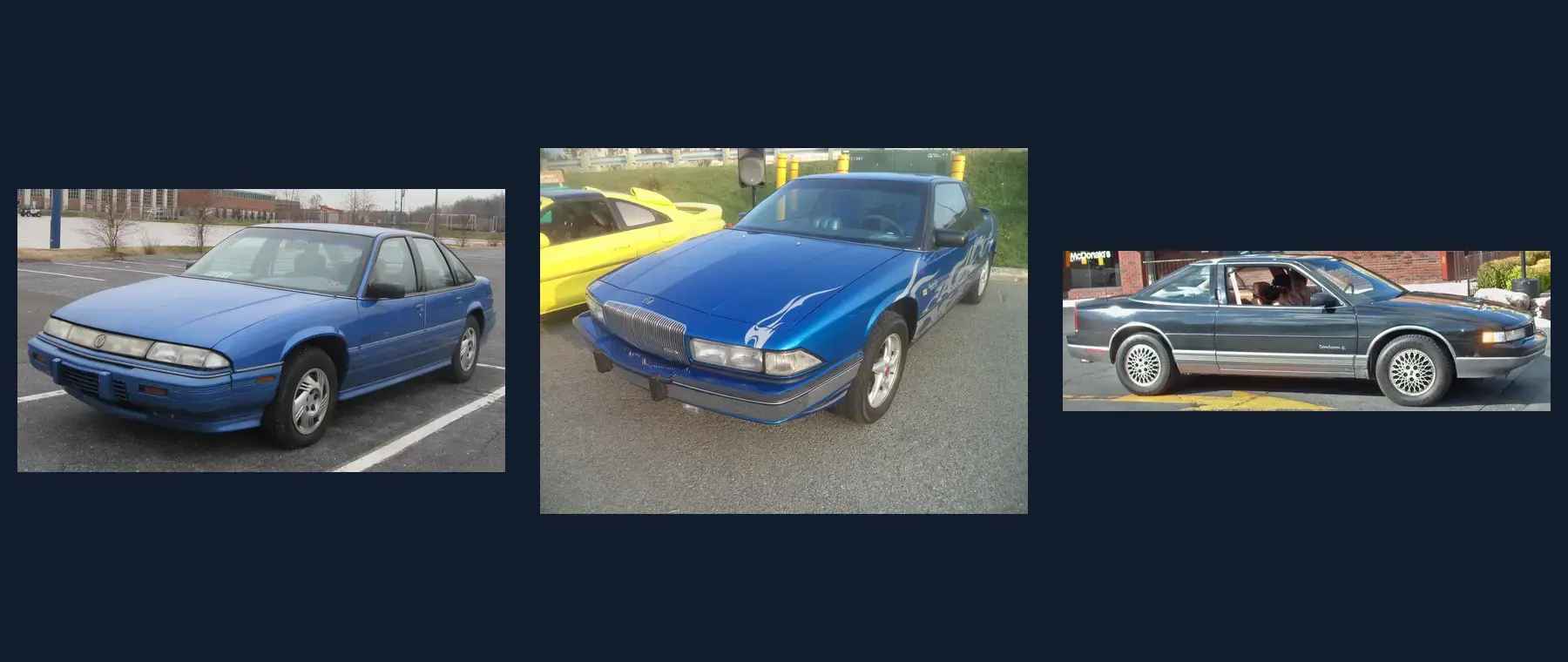
The two-door Pontiac Grand Prix, Oldsmobile Cutlass Supreme and Buick Regal reached buyers for 1988. Their four-door versions followed later, but Chevrolet’s W-body was still waiting. When the Lumina arrived, it became the last of GM’s four original divisional W-body nameplates to reach production.
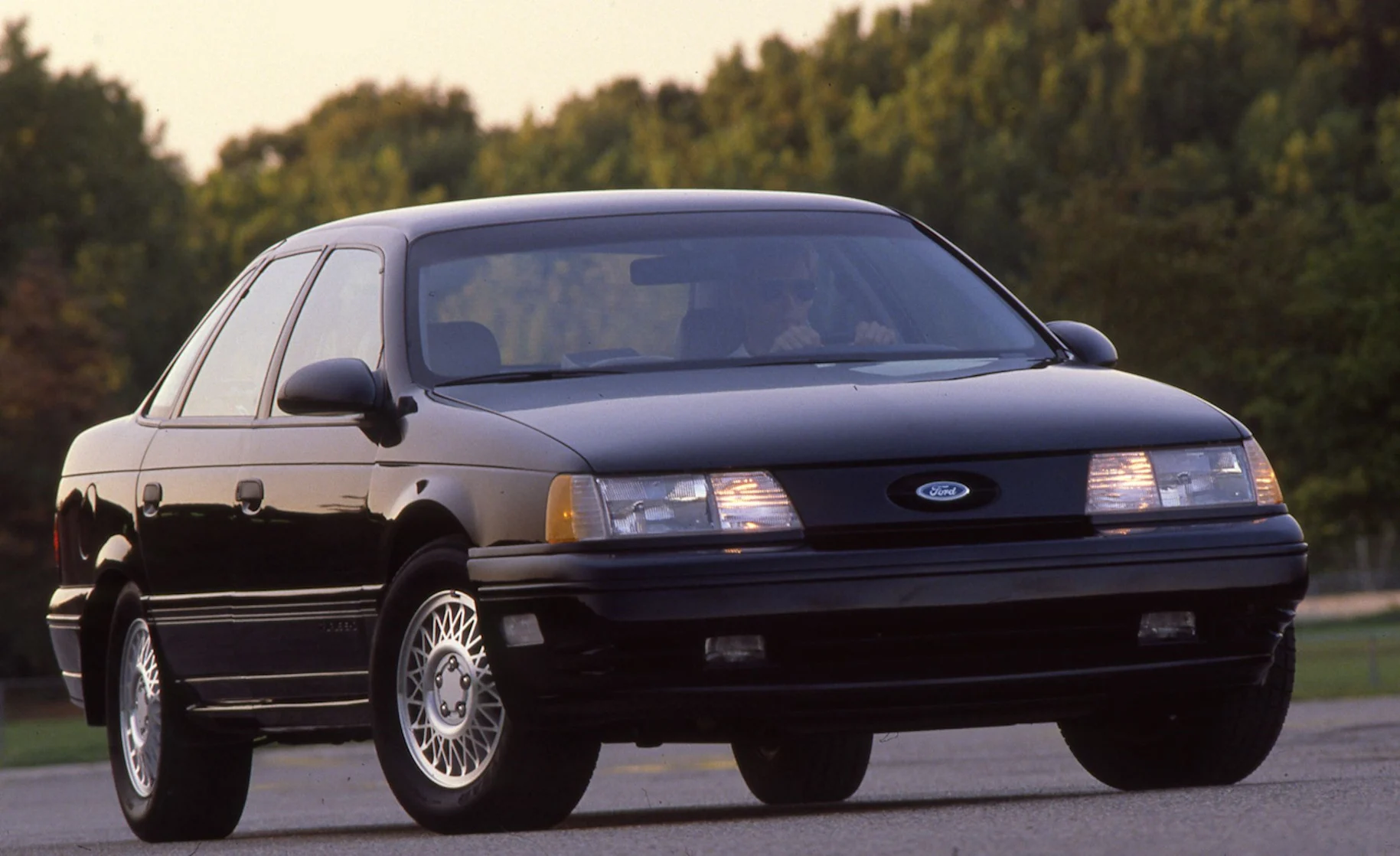
While GM worked through GM10, Ford moved the target. The aerodynamic 1986 Taurus changed expectations for an American family sedan. By the time Chevrolet’s new midsize car arrived in 1989, it had to be sold as an answer to a competitor that had already been on the road for three years.
Chevrolet turns Lumina into a family
Chevrolet did not introduce just one Lumina. It presented an entire family: a four-door sedan, a two-door coupe and the Lumina APV minivan. The APV shared no W-body structure with the cars, but Chevrolet used the common name to make all three feel like parts of one modern product line.
The name was launched with one of Chevrolet’s most unusual marketing partnerships. The company aligned the Lumina with the new Disney-MGM Studios theme park and introduced it to a huge television audience during the 1989 Academy Awards. Mickey Mouse, Minnie Mouse, Donald Duck, Goofy and other Disney characters appeared with the new Chevrolets in a red-carpet “Premiere” commercial.
Chevrolet reportedly targeted about 350,000 annual sales. The Disney campaign gave the unfamiliar name instant exposure, though critics wondered whether viewers would remember the cars or only the characters.
The everyday Lumina
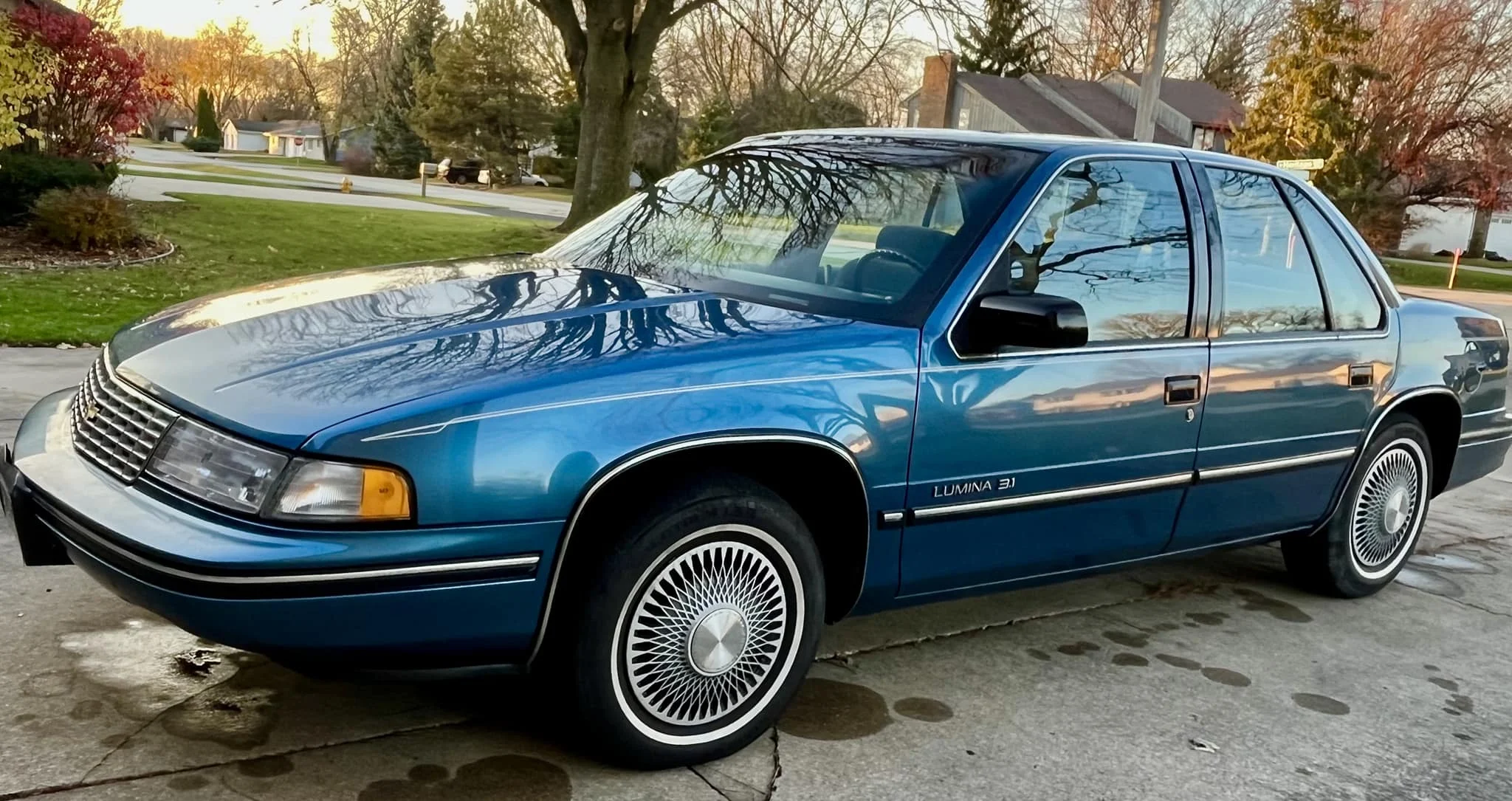
The production Lumina used a transverse engine, front-wheel drive and a 107.5-inch wheelbase. Underneath, MacPherson struts supported the front while the rear used Chapman struts and a transverse composite leaf spring, a packaging solution shared across early W-body cars.
Its mission was broad. Base sedans served families and fleets, Euro models added appearance and suspension changes, and the coupe carried Chevrolet back into the midsize personal-car market after the rear-wheel-drive Monte Carlo disappeared.
The first Lumina did not use an airbag. Instead, front shoulder belts were mounted to the doors as a passive-restraint system. That detail dates the interior as clearly as its digital displays and Delco radios.
| Model years | Engine | Code | Output | Role |
|---|---|---|---|---|
| 1990–1992 | 2.5L OHV four-cylinder | LR8 / Iron Duke family | Approximately 105–110 hp | Price-leading base engine |
| 1993 | 2.2L OHV four-cylinder | LN2 | About 110 hp | Final four-cylinder offering |
| 1990–1994 | 3.1L pushrod V6 | LH0 | About 135–140 hp | Mainstream sedan and coupe engine |
| 1991–1993 | 3.4L DOHC V6 | LQ1 | 200 hp automatic / 210 hp manual | Z34; automatic-only Euro sedan option from 1992 |
| 1994 | 3.4L DOHC V6 | LQ1 | 200 hp | Z34 and Euro sedan, automatic only |
1990–1994 Lumina Technical Reference
For a condensed model-specific reference covering first-generation engines, transmissions, model-year changes, Z34 information and ownership notes, visit the 1990–1994 Chevrolet Lumina Wiki.
Z34 gives the Lumina an edge
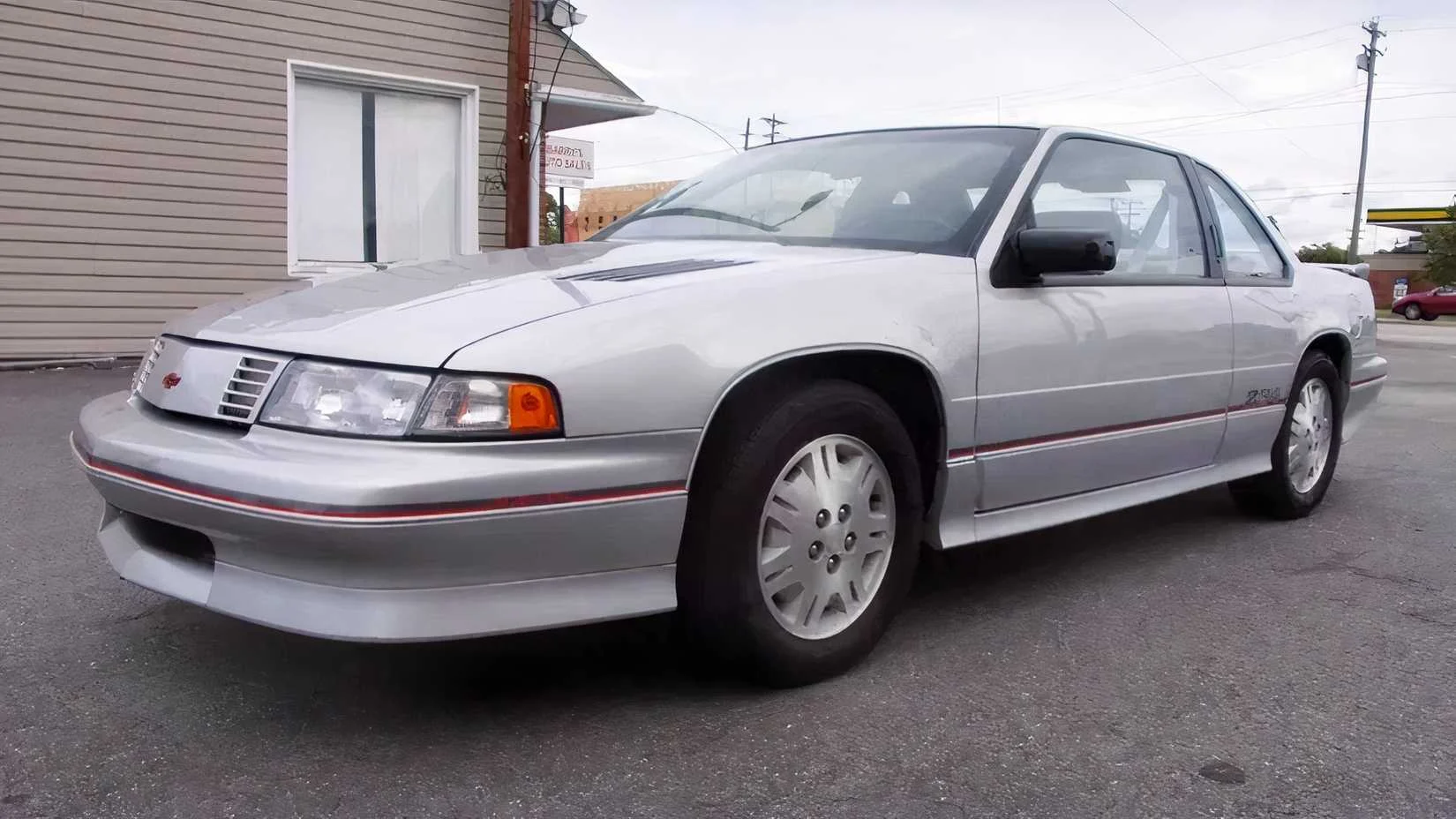
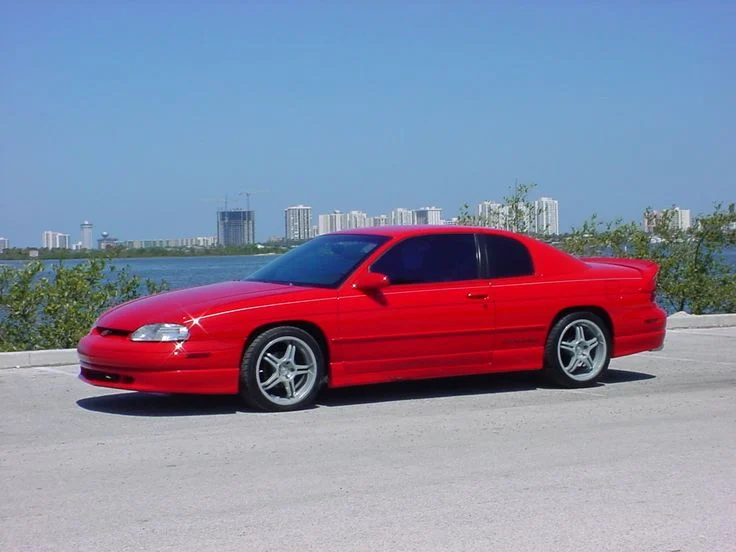
The Z34 was the performance version enthusiasts remember. Chevrolet reshaped the coupe with deeper fascias, hood louvers, rocker cladding, a rear spoiler and unique wheels. The transformation was more than cosmetic.
Under the hood was the 3.4-liter LQ1, a 24-valve, dual-overhead-cam V6 developed from GM’s 60-degree V6 architecture. It traded the low-speed simplicity of the 3.1 for high-rpm breathing and far greater output.
From 1991 through 1993, the rarest and most engaging combination paired the LQ1 with the Getrag 284 five-speed manual. Automatic cars used the heavy-duty 4T60-E. The manual version was rated at 210 horsepower, while automatic versions were generally rated at 200 horsepower.
24 valves
Four valves per cylinder and four overhead camshafts separated the LQ1 from Chevrolet’s pushrod V6 engines.
Getrag 284
A model-specific five-speed manual made the early Z34 one of the most unusual front-drive Chevrolets of its era.
Beyond the coupe
The LQ1 could also be ordered in selected Lumina Euro sedans, creating a much less obvious performance W-body.
The LQ1’s wide cylinder heads, timing-belt system and tightly packed engine bay made it more demanding to service than the 3.1. That complexity is part of its reputation, but it is also what makes the Z34 significant: Chevrolet installed a genuinely ambitious engine in a car better known for family duty.
The Lumina that was not a W-body
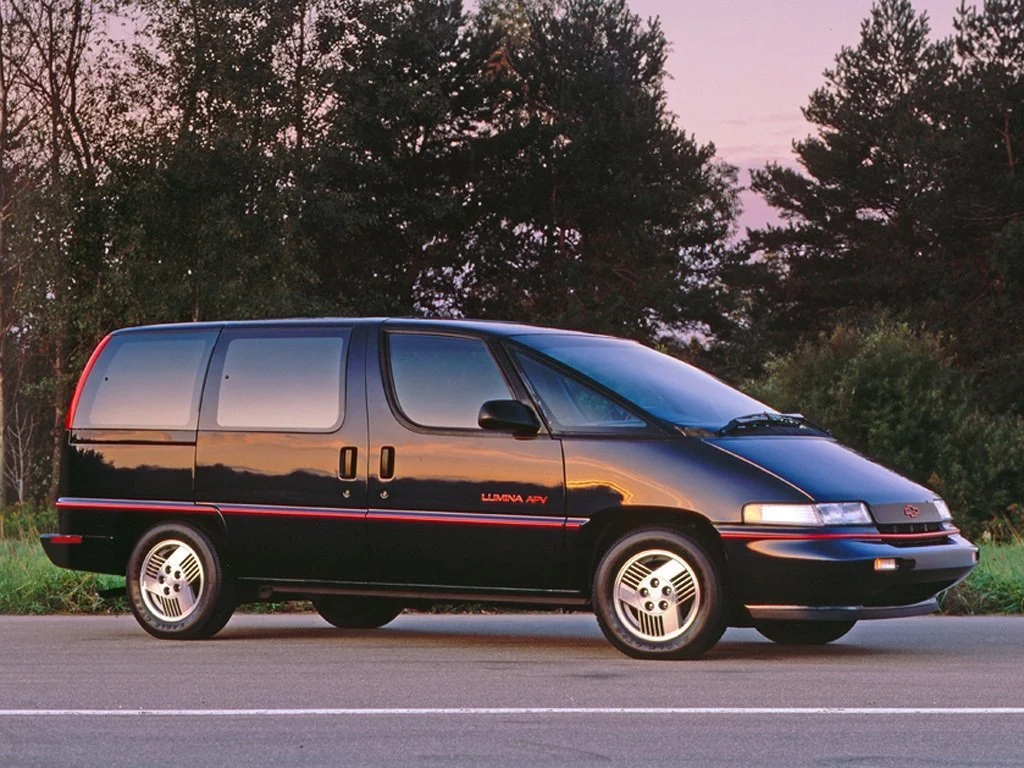
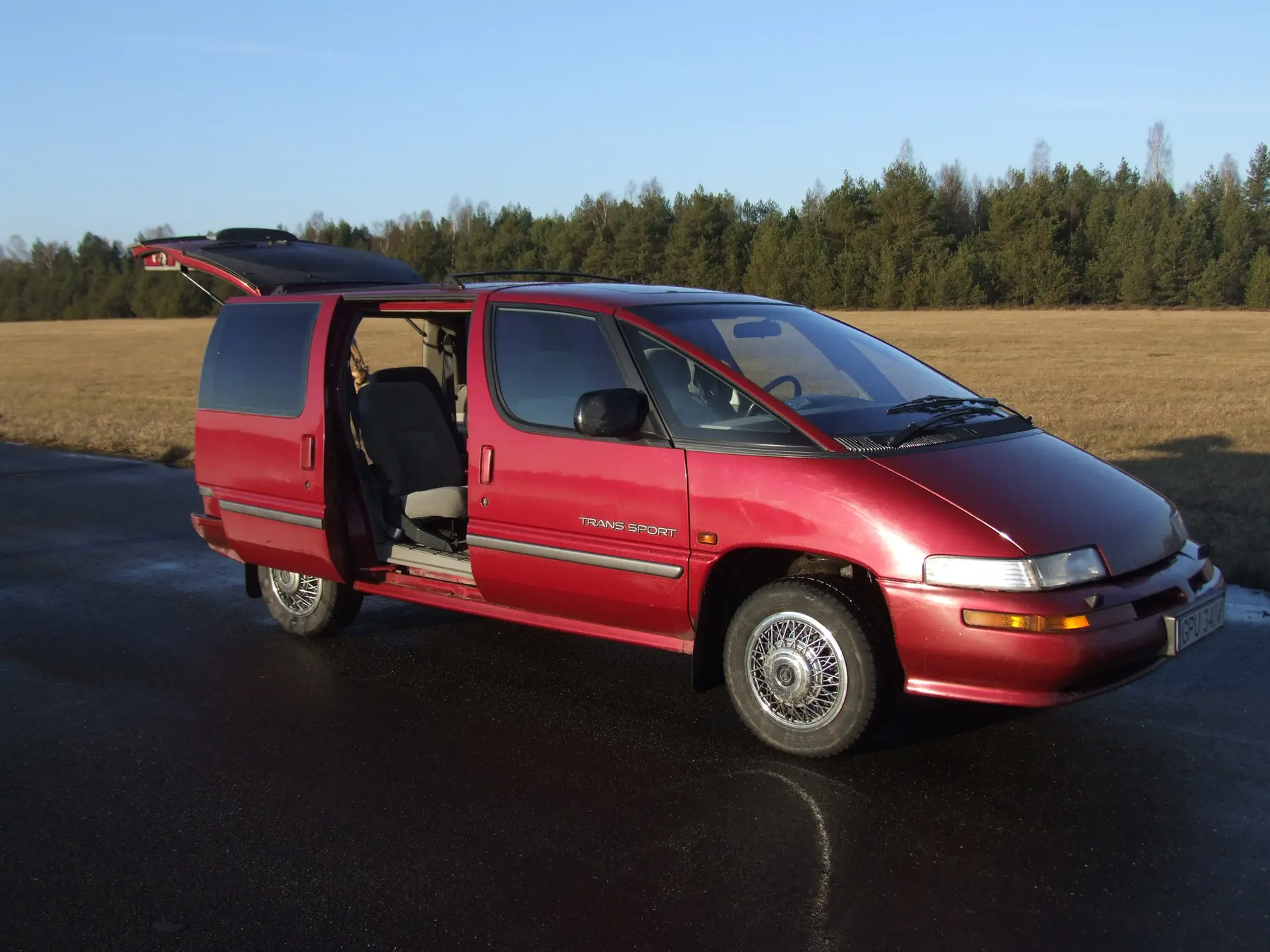
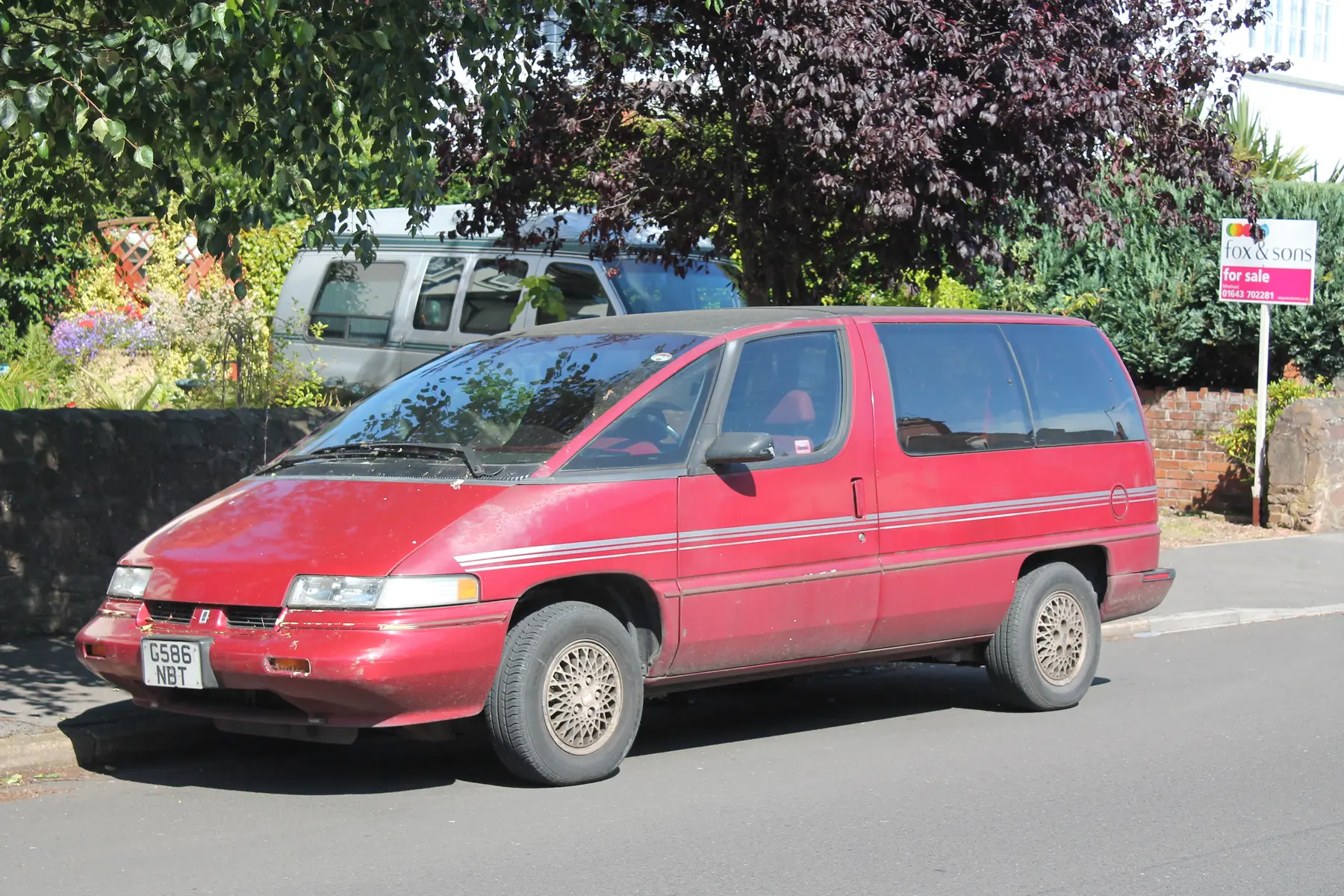
The Lumina APV belonged to GM’s U-body minivan family with the Pontiac Trans Sport and Oldsmobile Silhouette. A steel spaceframe supported composite exterior panels, while the long windshield and short hood created the shape that later earned the vans their “dustbuster” nickname.
Early vans used a 3.1-liter V6. A stronger 3.8-liter V6 joined the range for 1992, and GM later shortened and reshaped the nose. The APV’s connection to the sedan and coupe was primarily marketing, but that connection matters. Chevrolet wanted Lumina to represent a complete family of modern vehicles.
A family-car name goes racing
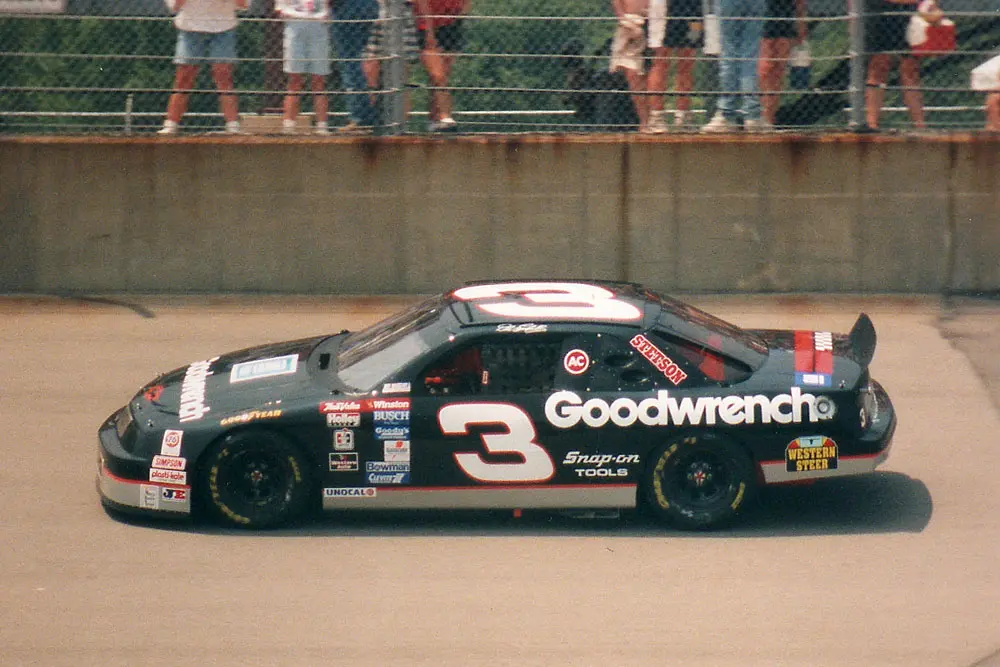
Chevrolet retired the Monte Carlo name from NASCAR and replaced it with Lumina for 1989. The race car was a rear-wheel-drive, V8-powered tube-frame machine with little mechanical relationship to the front-wheel-drive showroom car. In marketing terms, however, the connection was invaluable.
The Lumina won 61 NASCAR Cup races and helped Chevrolet secure the manufacturers’ championship in 1989, 1990, 1991 and 1993. Dale Earnhardt accounted for 29 of those victories. The Lumina also won the 1990 Daytona 500 with Derrike Cope after Earnhardt suffered a cut tire late in the race.
Hollywood made the body shape even more recognizable. Lumina stock cars appeared throughout the 1990 film Days of Thunder, tying the name to Chevrolet racing during the peak of NASCAR’s national growth.
Chevrolet was already designing the next Lumina
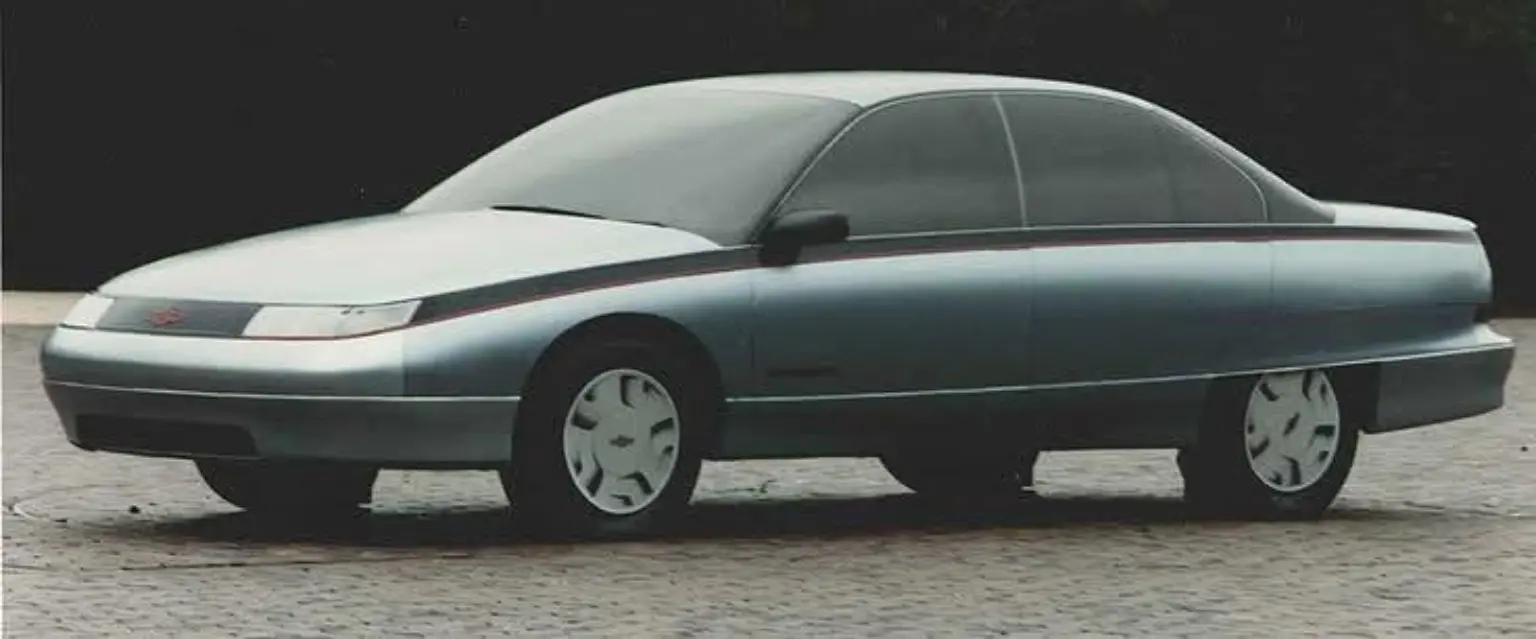
Work on a replacement Lumina reportedly began in 1989, the same year Chevrolet was introducing the first one. Chief engineer Norm Sholler led the vehicle program, while styling work developed within GM Design during Chuck Jordan’s tenure as vice president of design.
The photographed full-size model has been attributed to longtime GM designer David McIntosh. His documented GM assignments included Chevrolet Two Studio and the 1995 Lumina and Monte Carlo production programs. McIntosh also credited GM Archives and GM Photography with preserving his work.
The proposal is dramatically cleaner than the production 1995 car: thin lamps, a nearly grilleless nose, an uninterrupted beltline, a cab-forward greenhouse, radiused side glass and a high rear deck. It looks less like a rough production prototype than one explored direction within a larger design process.
The second-generation Lumina arrives late
Published development histories place the start of the replacement program in 1989 under chief engineer Norm Sholler, with a late-1992 target and production styling approved by 1991. The launch ultimately moved into 1994. Contemporary Oshawa reporting adds a firmly dated detail: dealers evaluated the Lumina and Monte Carlo before production, leading GM to make more than 100 changes.
The finished sedan debuted publicly at the Los Angeles Auto Show in January 1994. Oshawa began building Lumina sedans on March 7, 1994 for the 1995 model year.
Chevrolet made a major naming decision: the two-door companion was no longer a Lumina. It revived the Monte Carlo name, dividing the old family into a practical Lumina sedan and a more personal Monte Carlo coupe.
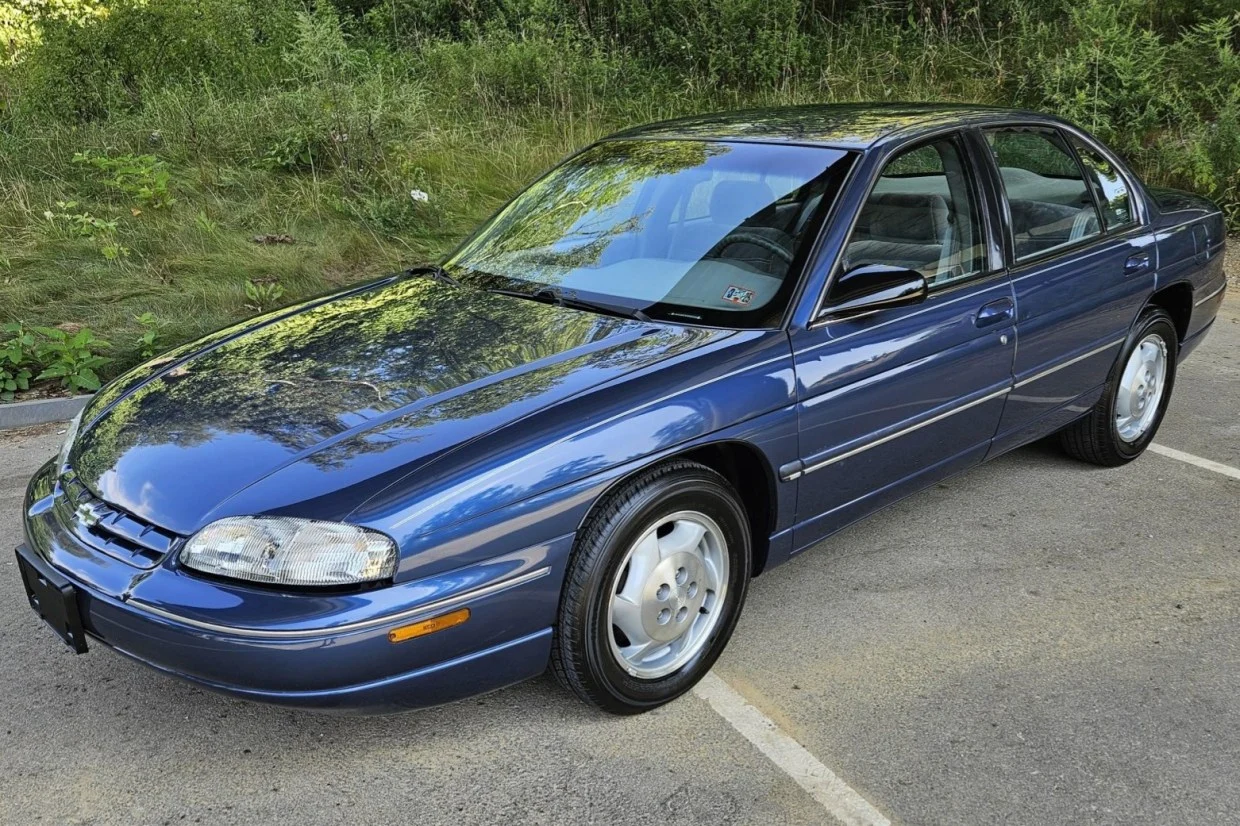
The new body was rounder, quieter and roomier, but it retained the 107.5-inch wheelbase and substantial architecture from the earlier W-body. Base and LS trims carried most of the volume, usually with six-passenger capability in bench-seat cars.
| Model years | Engine | Code | Output | Typical availability |
|---|---|---|---|---|
| 1995–1999 | 3.1L 3100 SFI V6 | L82 | 160 hp / about 185 lb-ft | Base, LS and selected LTZ |
| 1995 | 3.4L DOHC V6 | LQ1 | 210 hp / 215 lb-ft | LS option |
| 1996–1997 | 3.4L DOHC V6 | LQ1 | 215 hp / 220 lb-ft | LS option for 1996; very limited LTZ availability for 1997 |
| 1998–1999 | 3.8L 3800 Series II V6 | L36 | 200 hp / 225 lb-ft | LTZ |
| 2000–2001 | 3.1L 3100 SFI V6 | LG8 | Approximately 175 hp | Retail transition and fleet-only final cars |
LTZ performance and fleet duty
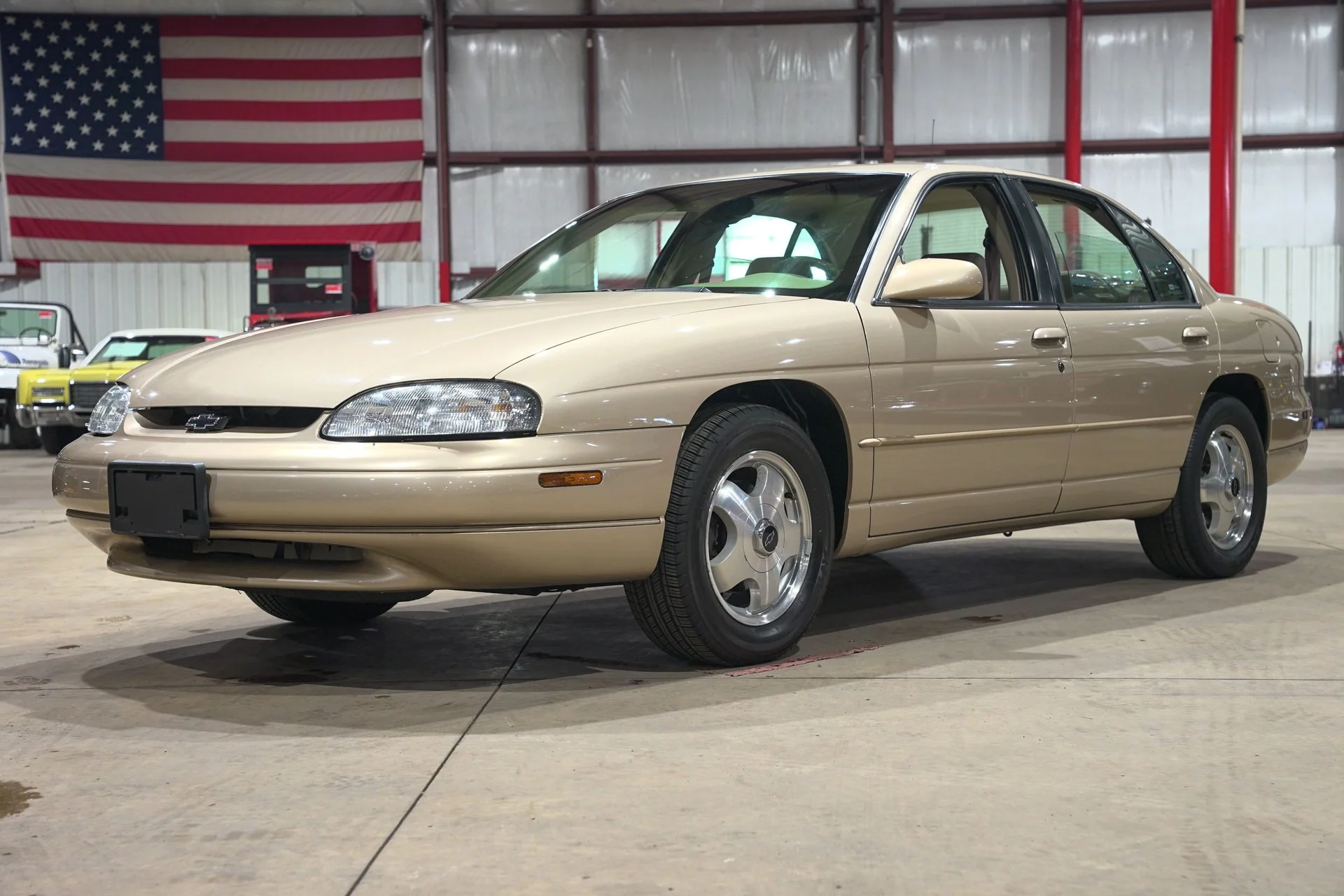
Chevrolet introduced the LTZ for 1997. It borrowed front and rear styling cues from the Monte Carlo, then added 16-inch wheels, firmer suspension, a console shifter, tachometer and upgraded trim. The 3.4 DOHC appeared in only a tiny number of 1997 cars.
For 1998, Chevrolet replaced the LQ1 with Buick’s 3800 Series II L36. Its 200 horsepower figure was slightly lower, but 225 lb-ft of torque arrived with a much broader, more relaxed power delivery. The 1998–1999 3800 LTZ became the final performance-oriented North American Lumina.
At the same time, the Lumina’s fleet role expanded. The 9C3 police package served administrative, detective and general law-enforcement duties, while taxi companies, rental agencies and government fleets valued the car’s space, price and familiar mechanical package.
The Impala takes over, but Lumina lives on
Chevrolet revived the Impala for 2000 on an updated W-body platform. That pushed the Lumina out of the retail spotlight, but it did not end production immediately. Chevrolet continued building fleet-oriented Luminas through the 2001 model year. The final North American example left Oshawa on April 26, 2001.
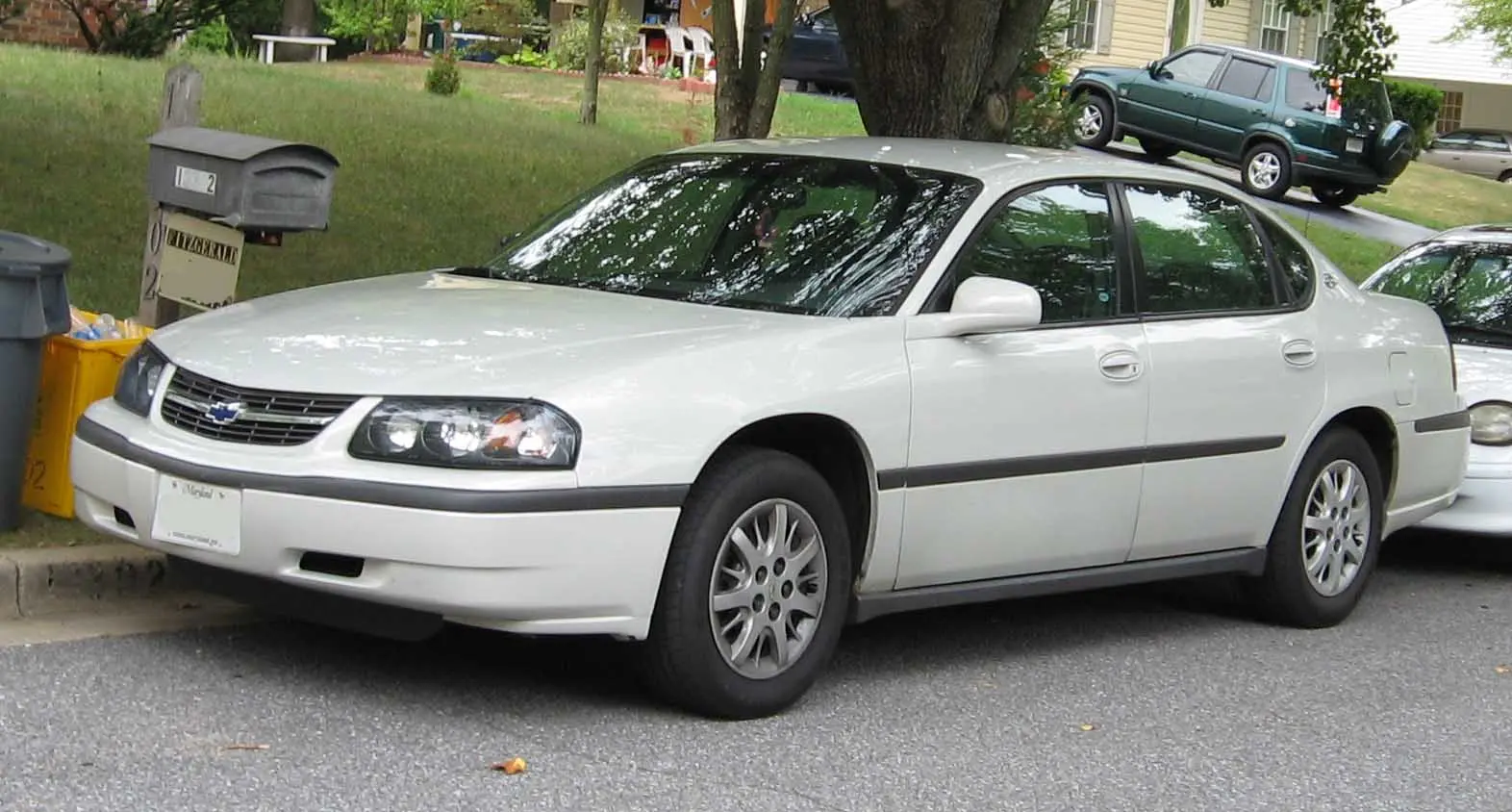
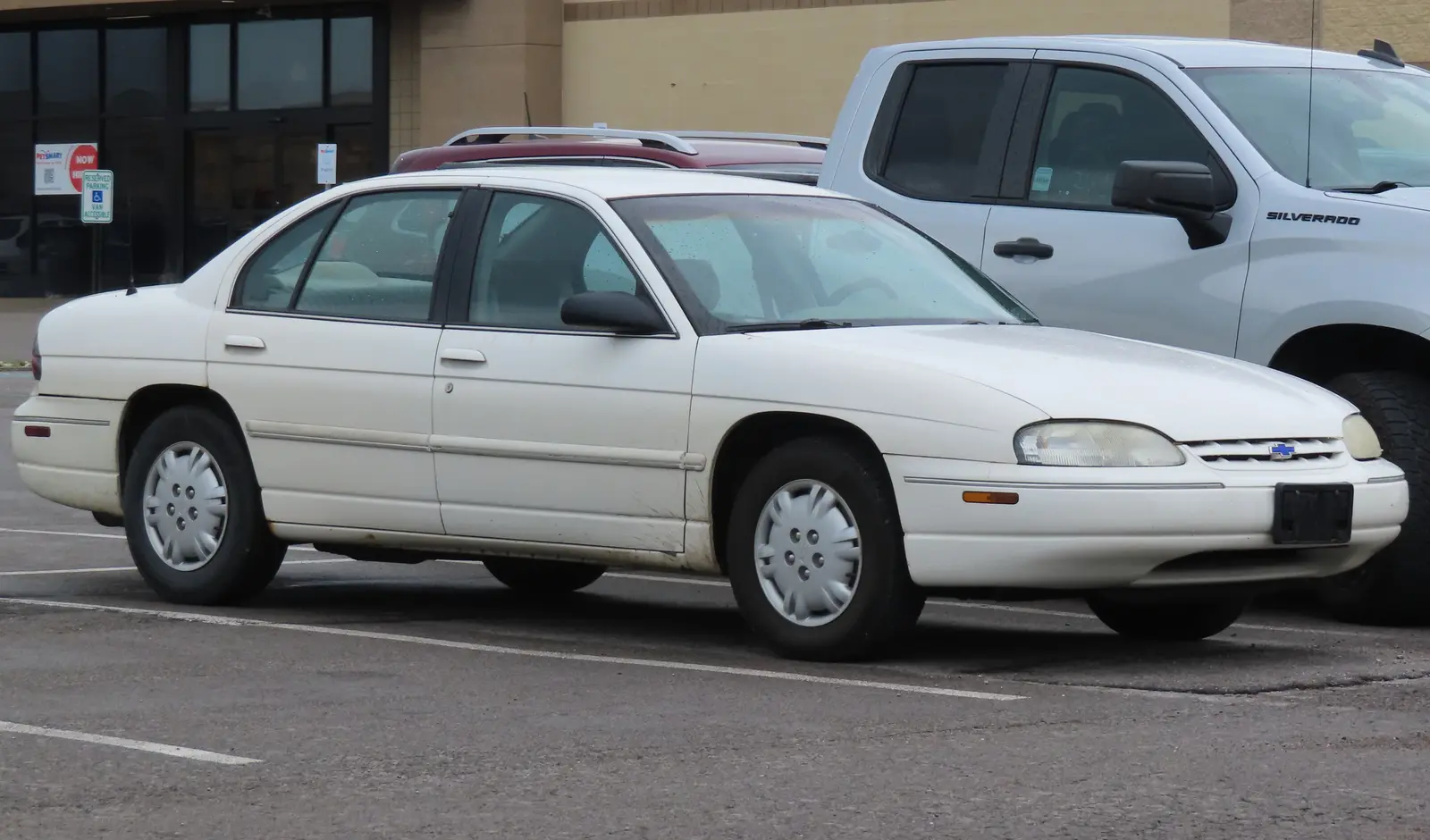
Compiled production records place first-generation output at approximately 1.06 million sedans and coupes combined, followed by roughly 1.15 million second-generation sedans. In other words, Chevrolet built more than 2.2 million North American W-body Luminas.
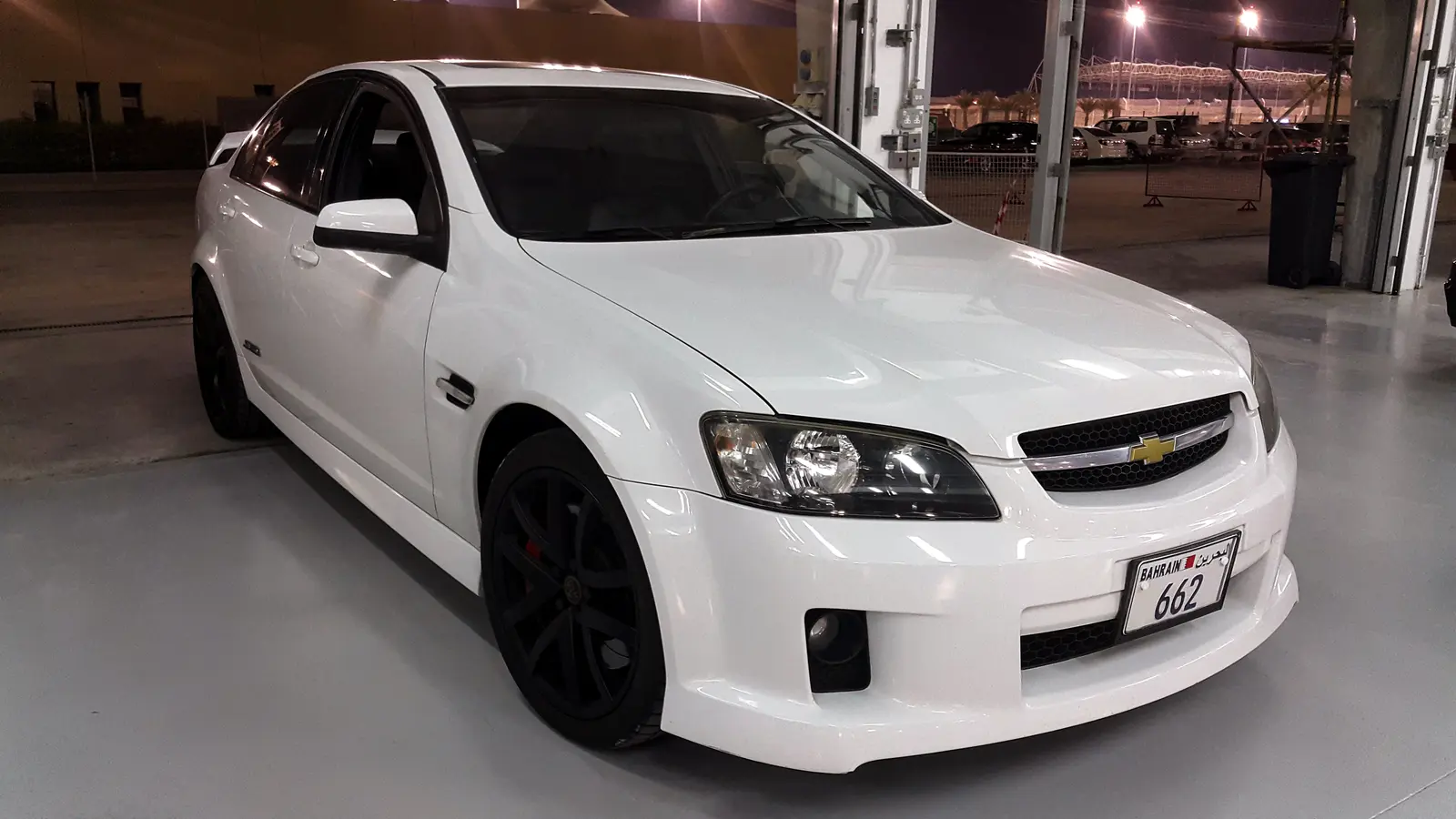
The name survived overseas on cars unrelated to the W-body. Holden Commodore sedans, Monaro coupes and Ute derivatives wore Chevrolet Lumina badges in the Middle East, South Africa and selected Asian markets. A Chinese-built Buick Regal was also marketed briefly as a Lumina in the Philippines. Those cars expanded the name’s story through 2013, but they were separate rear-wheel-drive or region-specific products rather than successors to the Oshawa-built sedan.
What made a Lumina a Lumina?
No single engine, body style or personality defines the name. The Lumina was simultaneously Chevrolet’s late answer to the Taurus, the final original GM10 division, a six-passenger family sedan, a Disney-promoted product family, a NASCAR champion, an LQ1-powered performance coupe and a fleet car that stayed in production after its retail replacement arrived.
Its story contains the best and worst of GM during the period: enormous engineering ambition, divisional overlap, delayed development, creative marketing, serious performance hardware and a talent for keeping a useful platform alive.
The early styling model that began this investigation does not rewrite the entire story. It makes the story more complete. It shows that even as the first Lumina reached customers, Chevrolet was already trying to decide what the name should become next.
The Lumina timeline
1982
GM10/W-body development begins.
1988
Buick Regal, Oldsmobile Cutlass Supreme and Pontiac Grand Prix reach the market.
1989
Lumina is introduced, enters NASCAR and receives its Disney-backed launch.
1991
Z34 and LQ1 performance era begins; second-generation body direction reportedly approved.
1994
Redesigned 1995 Lumina debuts; first-generation production ends.
1997
LTZ joins the sedan range.
1998
3800 Series II becomes the LTZ performance engine.
2000
Impala returns and replaces Lumina at retail.
April 26, 2001
Final North American Lumina is produced for the fleet market.
2013
Use of the Lumina name on Holden-derived export cars ends.
Sources and further reading
- Dean’s Garage: David McIntosh, GM Designer — designer career record and 1995 Lumina/Monte Carlo program connection.
- GM Heritage Archive Vehicle Information Kits — factory specifications and model-year documentation for the 1990–2001 Lumina.
- UPI, June 4, 1989: Chevrolet stalks Ford Taurus with new Lumina — contemporary launch context.
- UPI, May 6, 1989: Lumina chasing Fords in NASCAR debut — contemporary coverage of the Lumina’s first Cup Series race at Talladega.
- The 1989 Lumina Commercials — Disney-MGM Studios launch and advertising campaign.
- Consumer Guide: 1990–1994 Chevrolet Lumina — first-generation model changes, engines and period specifications.
- Consumer Guide: 1995–2001 Chevrolet Lumina and Monte Carlo — second-generation engines and year-to-year changes.
- Ajax-Pickering News Advertiser, February 23, 1994 — contemporary Oshawa production reporting, dealer evaluations and the March 7 sedan production date.
- Autoweek: NASCAR’s winningest cars — Lumina’s 61 Cup Series victories.
- NASCAR Hall of Fame: Dale Earnhardt’s seventh-title Lumina — the 1994 championship car and season.
- NASCAR Hall of Fame: 1990 Daytona 500 — Derrike Cope’s victory after Dale Earnhardt’s final-lap tire failure.
- IIHS: 1995–2001 Chevrolet Lumina — redesign year, crash-test applicability and fleet-only 2001 model-year note.
- The Autopian: Philippines-market Chevrolet Lumina — Chinese-built Buick Regal connection and regional history.
- Car and Driver 1992 family-sedan comparison — period competitive context.
- Car and Driver 1994 family-sedan comparison — period assessment of the redesigned Lumina.
- W-BodyTech: History of the 3.4L LQ1 V6 — related technical background.
- W-BodyTech: Chevrolet Lumina 1990–1994 Wiki — first-generation specifications, engines, transmissions, year changes and ownership reference.
- W-BodyTech: Chevrolet Lumina 1995–2001 — second-generation companion vehicle page.
Production totals are compiled historical figures and are presented as approximate. Horsepower and torque figures are period SAE net ratings and may differ by model year, transmission and application.
Discover more from W-BodyTech
Subscribe to get the latest posts sent to your email.



Leave a Reply