

What Came After
the W-Body?
How GM moved on—and why a better platform never built the same following.
THE NEXT CHAPTER: EPSILON & EPSILON II
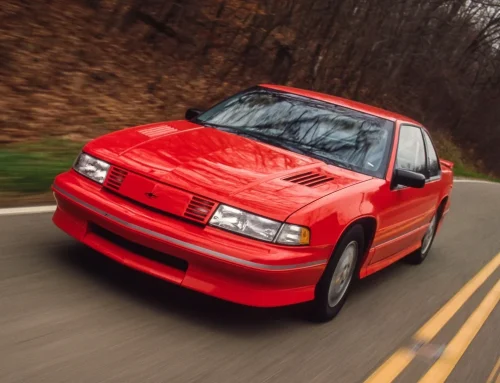
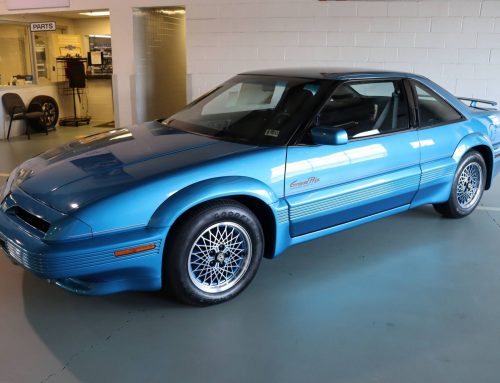
The W-body had an unusually long run. From its introduction in 1988 through the final Impala Limited in 2016, it underpinned a huge range of Buick, Chevrolet, Oldsmobile and Pontiac cars.
What came after the W-body? For models such as the Buick LaCrosse and Chevrolet Impala, the more direct successor was Epsilon II. Earlier Epsilon cars overlapped with the W-body rather than replacing it all at once.
But Epsilon wasn’t simply “the new W-body.”
From the W-Body to Epsilon II
First-generation Epsilon cars such as the Malibu, G6 and Aura were primarily replacements for older midsize platforms like the N-body. The G6, for example, replaced the Grand Am rather than the Grand Prix.
The W-body continued alongside them for years.
The more direct transition came with Epsilon II. The 2010 LaCrosse, 2011 Regal and 2014 Impala all moved to Epsilon II. The Impala is the clearest example of the overlap, with the new Epsilon II Impala being sold alongside the W-body Impala Limited through 2016.

Epsilon II: A More Modern GM Platform
Epsilon II was designed around newer crash standards, manufacturing methods, suspension geometry and electronics instead of continually updating an architecture that dated back to the 1980s.
The result was a stiffer structure, better body control, more modern suspension, improved steering and braking, and the ability to support different wheelbases and AWD.
The powertrains also moved forward. The older W-body lineup included everything from the 3100 and 3400 to the LQ1, 3800, Shortstar, 3900 and LS4 V8. Epsilon brought newer Ecotec engines, turbocharged four-cylinders and the High Feature V6, along with six-speed automatics such as the 6T70.
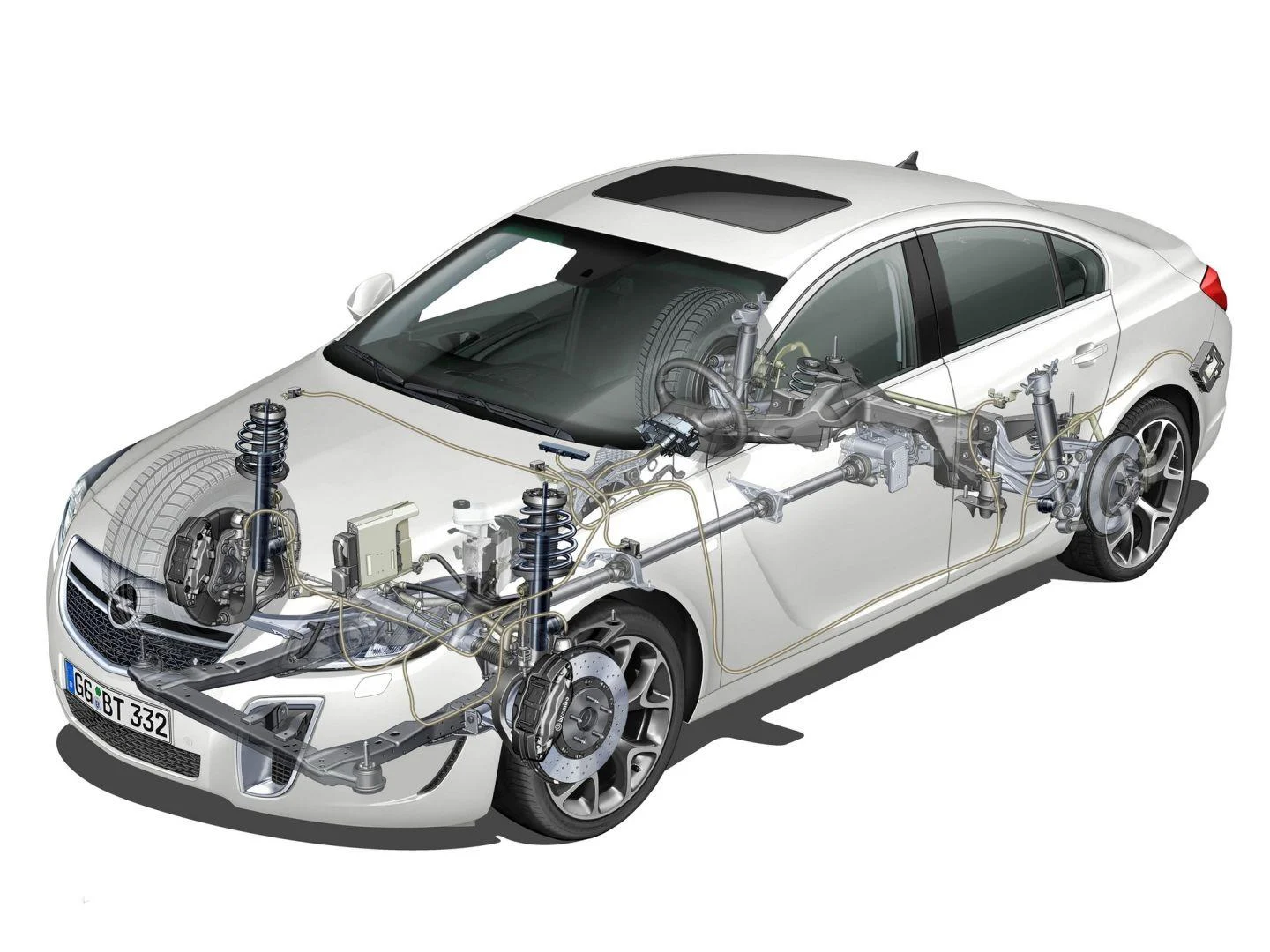
GM Actually Built Performance Cars
Epsilon was far more capable than its reputation suggests.
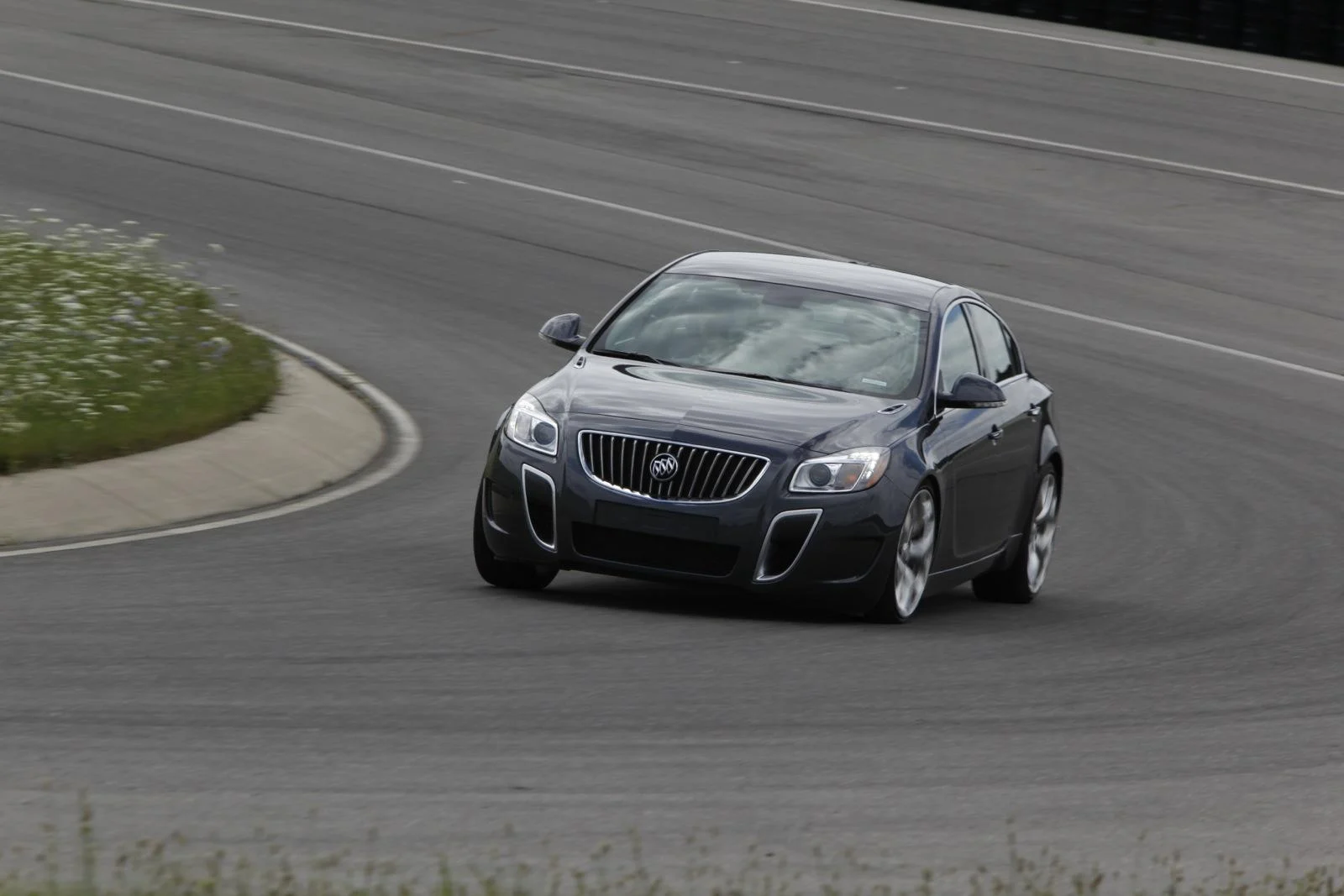
The Pontiac G6 GXP and Saturn Aura XR offered the 3.6L High Feature V6, while the Buick Regal GS added a turbocharged 2.0L, six-speed transmission, performance suspension, large brakes and HiPer-Strut front suspension. Later Regals were also available with AWD.

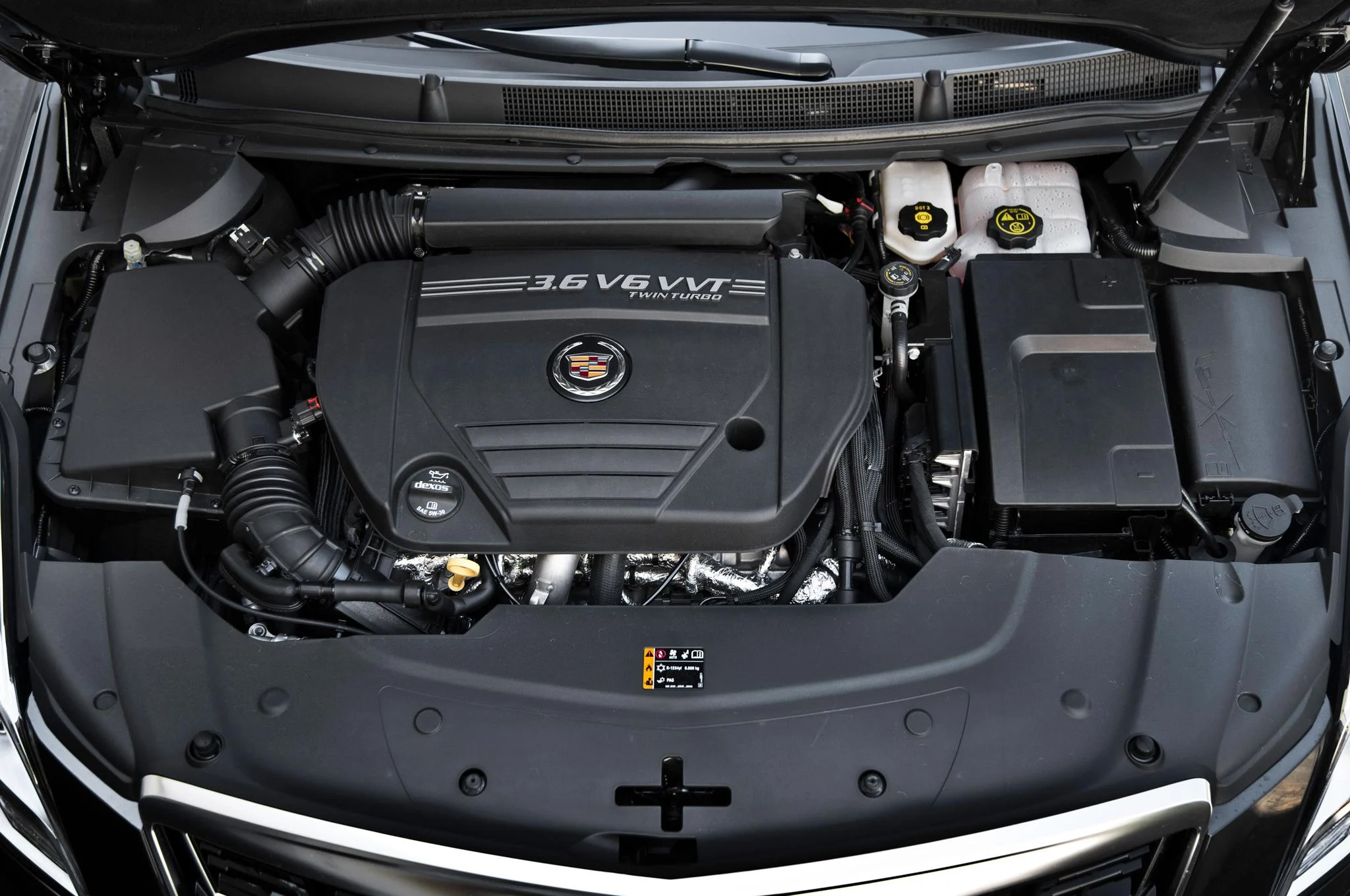
Epsilon II could go considerably further. Cadillac’s XTS V-Sport used the LF3 twin-turbo 3.6L, making 410 horsepower and driving all four wheels.

These cars represented a different approach to GM performance: smaller turbocharged engines, modern transmissions, better suspension and braking, and AWD rather than simply putting a larger engine into an older FWD architecture.
Better Electronics, Harder Modifications
The newer cars also became much more electronically integrated. The ECM, TCM, BCM, ABS, cluster, security system and other modules communicate extensively with each other.
That makes the cars more capable from the factory, but also makes engine, transmission and electronics swaps considerably more complicated.
The W-body has decades of established knowledge covering wiring, modules, parts interchange and powertrain swaps. Epsilon never developed that same depth of knowledge.
So Why Didn’t Epsilon Become the Next W-Body?
The W-body had several advantages that had nothing to do with engineering.
It was cheap, plentiful and sold under four GM brands. There were coupes, sedans, luxury models and performance cars, with enormous parts interchange between them. Decades of production meant there were always junkyard parts and another enthusiast who had already tried something.
Epsilon lost many of those advantages.
Oldsmobile, Pontiac and Saturn disappeared during the transition. Sedan sales declined as crossovers became more popular. The performance versions arrived as the market for these cars was already shrinking, and the newer cars were more expensive and electronically complicated.
By the time Epsilon cars became cheap project cars, the enthusiast market had largely moved elsewhere.
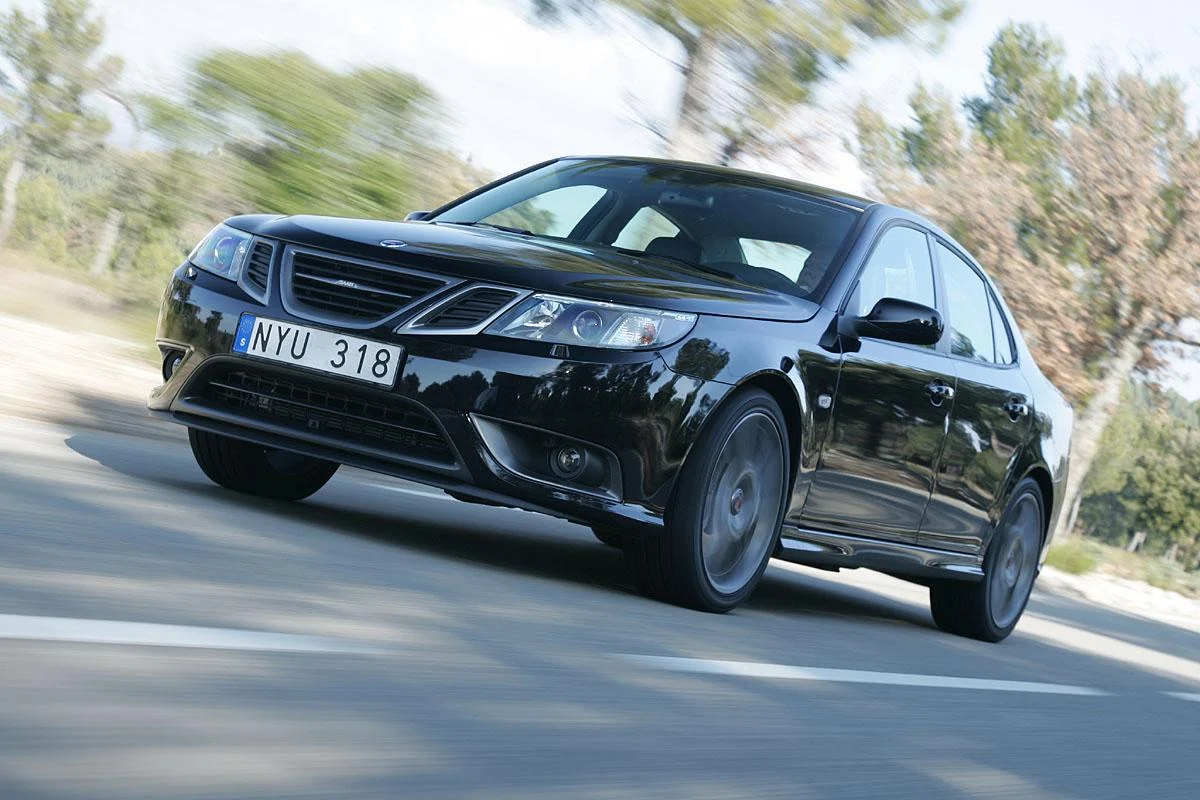
Why Epsilon Is Interesting Now
The irony is that Epsilon cars are becoming more interesting as they get cheaper.
They offer modern chassis design, six-speed transmissions, turbocharged engines, factory AWD, better brakes and much more sophisticated electronics than the cars they replaced.
What they don’t have is the massive enthusiast ecosystem the W-body developed.
The W-body was easier to modify and had decades of community knowledge behind it. Epsilon was a better starting point from an engineering standpoint, but it never had the same opportunity to develop a culture around it.
GM didn’t replace the W-body with a bad platform.
It replaced it with a better one at almost exactly the wrong time.
Keep the Conversation Going
Have experience with a W-body or an Epsilon project? Share what you’ve learned with the W-BodyTech community.
Discover more from W-BodyTech
Subscribe to get the latest posts sent to your email.



Leave a Reply